

 Categories
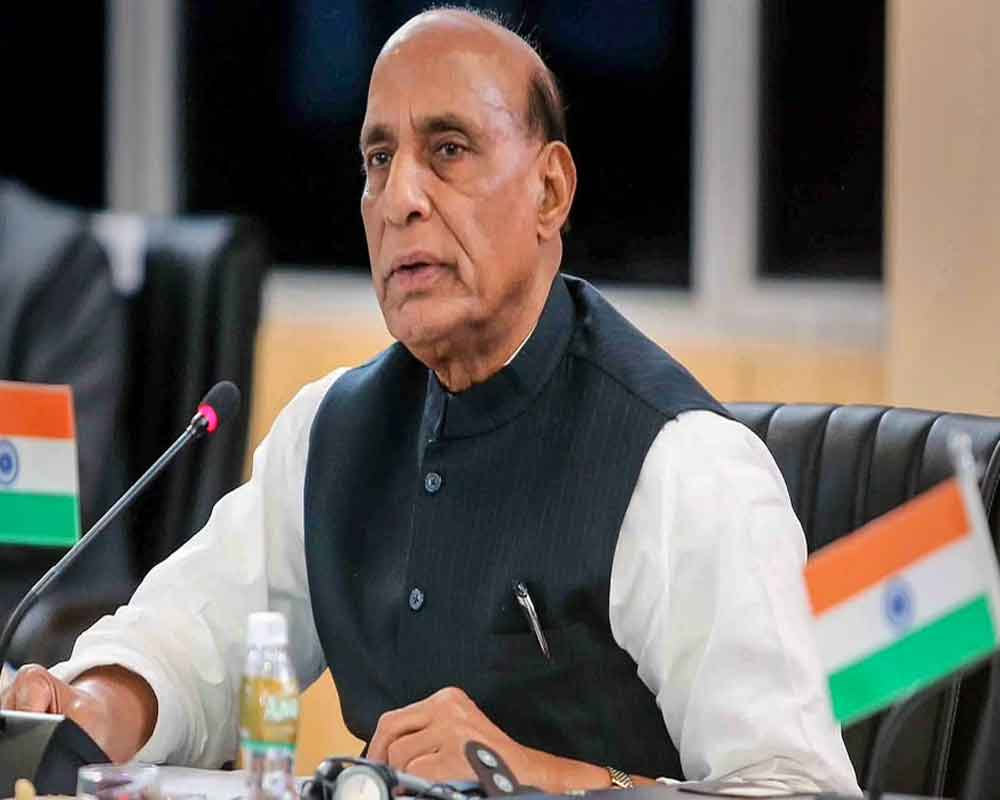
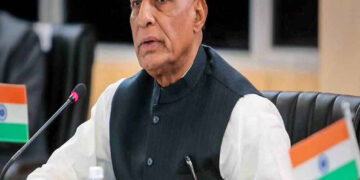
Defence Minister Rajnath Singh refused to endorse the SCO joint statement, citing unresolved concerns over cross-border terrorism. His stance highlights India’s firm position on national security.
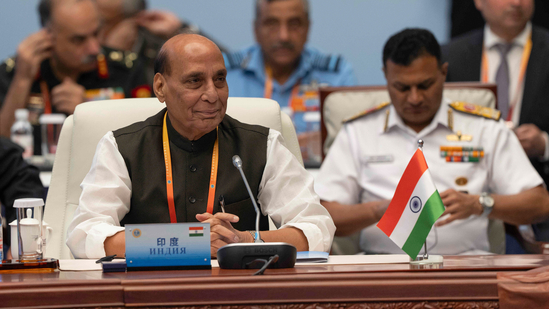
At the SCO Summit, India voiced strong concerns over cross-border terrorism, referencing the recent Pahalgam attack and ongoing tensions with Pakistan.
Defence Minister Rajnath Singh on Thursday reportedly declined to sign the joint statement issued by the Shanghai Cooperation Organisation (SCO).
According to reports, the decision was made due to the document’s failure to adequately address India’s concerns over cross-border terrorism.
At the SCO Summit, India expressed strong concerns over cross-border terrorism, referencing the recent Pahalgam attack and ongoing tensions with Pakistan.
However, according to PTI, Rajnath Singh declined to endorse the joint statement as it failed to explicitly address India’s core concerns.
Citing sources familiar with the matter, PTI reported that India’s decision stemmed from the absence of a clear and decisive approach to combating terrorism, particularly cross-border terror attacks.
The SCO Defence Ministers’ Meeting, held in Qingdao, China, from June 25 to 26, concluded without a joint statement due to Singh’s refusal. Defence ministers from member countries—including India, China, Russia, and Central Asian nations—gathered to deliberate on matters concerning regional and global peace and security.
No double standards,” Rajnath Singh asserted during the defence leaders’ meeting, urging SCO member states to cooperate in minimizing the threat of terrorism across the region.
Our region’s most pressing challenges stem from issues of peace, security, and a growing lack of trust. At the heart of these problems lies the rising tide of radicalisation, extremism, and terrorism,” stated Singh.
Addressing these challenges demands firm and united action to ensure our collective safety and security,” he emphasized.
Referring to the Pahalgam attack, Singh expressed India’s deep concern over Pakistan’s alleged support for terror groups like Lashkar-e-Taiba and its affiliate, The Resistance Front, which is believed to have orchestrated the April incident.
The pattern of the Pahalgam attack is consistent with previous terror strikes carried out by Lashkar-e-Taiba in India,” he stated.
“India has a firm zero-tolerance policy towards terrorism, as reflected in our decisive actions. We reserve the right to defend ourselves and have made it clear that the epicentres of terrorism are no longer beyond reach. We will not hesitate to take necessary action against them,” he added.
On April 22, a devastating attack in Pahalgam claimed the lives of 26 people. In response, India launched Operation Sindoor, a targeted military strike against terror camps and bases located in Pakistan and Pakistan-occupied Kashmir.
The operation escalated tensions, sparking a larger conflict between India and Pakistan that led to a four-day military standoff between the two nations.
READ ALSO…….PM Modi: No Indian Will Forget How Emergency Violated the Constitution’s Spirit 2025