Categories
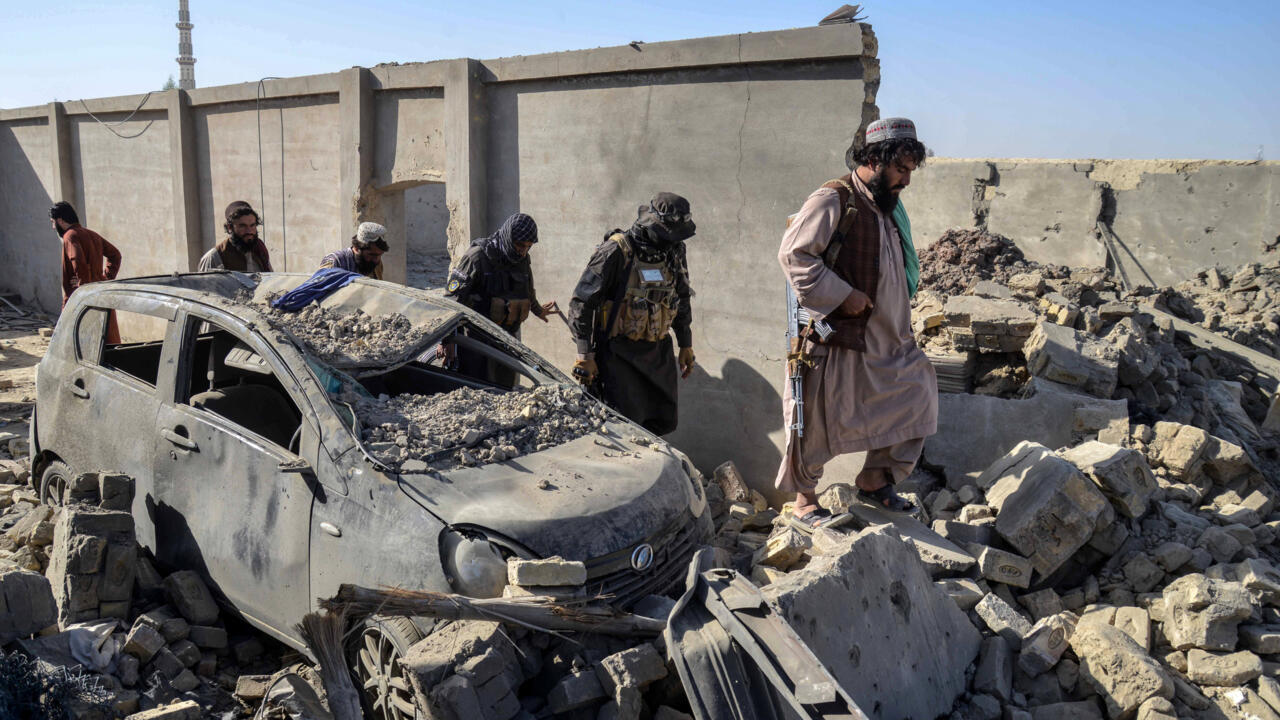
Truce shattered’: Afghanistan warns of retaliation after deadly Pakistani airstrikes kill 10 — What we know so far
What happened?
Late on October 17, 2025, the Afghan side of the border says Paktika province — specifically the districts of Argun and Barmal — was struck by air‑raids attributed to neighbouring Pakistan. According to provincial hospital sources, 10 civilians were killed and 12 wounded, including two children.
A senior official from the ruling Taliban government declared the 48‑hour ceasefire had been “broken” by Pakistan’s action.
Background: Ceasefire & border tension
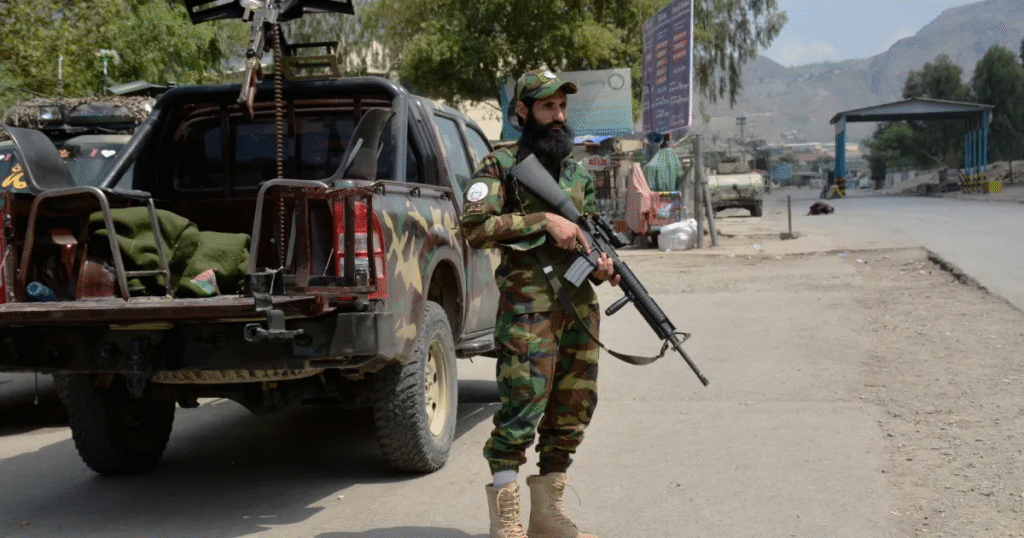
The incident comes on the heels of a temporary truce between Pakistan and Afghanistan which began after days of intense border clashes and high civilian casualties.
• Pakistan and Afghanistan had agreed to a 48‑hour ceasefire in mid‑October to enable dialogue, mediated via Doha.
• The ceasefire was intended to pause hostilities, but the Taliban side contends it remained valid until Pakistani forces initiated attacks. s
Who’s saying what?
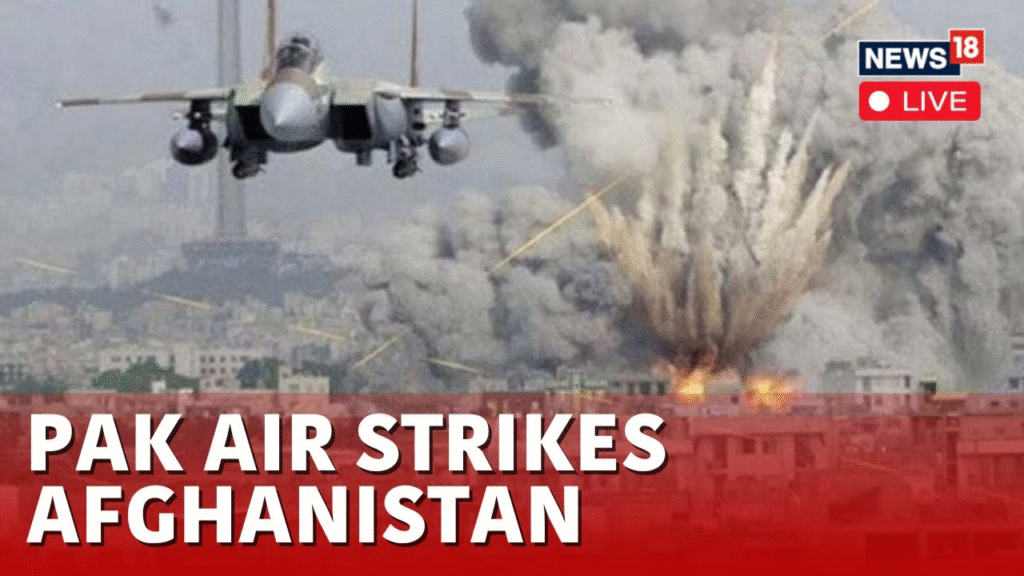
- Taliban officials say Pakistan “bombed three locations in Paktika” and vow that “Afghanistan will retaliate.”
- Pakistani authorities accuse Afghanistan of harbouring militants from the Tehrik‑e‑Taliban Pakistan (TTP) and other groups who have launched attacks across the border.
Civilian impact & humanitarian concerns
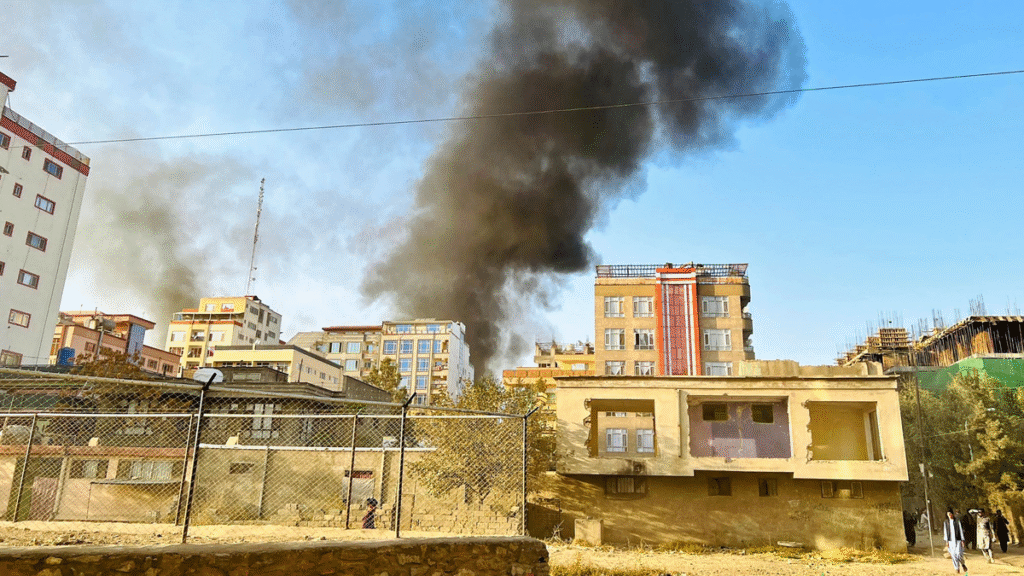
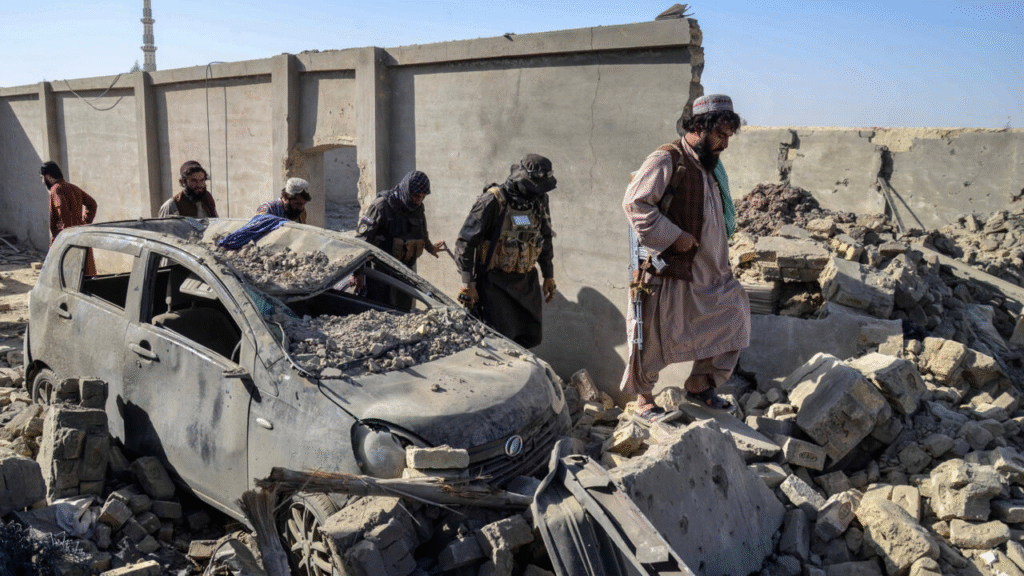
Beyond the military and diplomatic back‑and‑forth, the real cost is borne by civilians: homes destroyed, families mourning children killed, and communities living under fear of renewed bombardment.
Humanitarian groups and the United Nations Assistance Mission in Afghanistan (UNAMA) have called for a lasting ceasefire to prevent further civilian casualties.
What happens next?
- The Taliban administration says it will respond — the wording suggests potential military retaliation if the border strikes are not stopped.
- Diplomatic channels are still open: Pakistan and Afghanistan are slated for talks in Doha, but this latest strike raises the question of whether the truce and dialogue process can hold.
- The broader region watches closely, as renewed escalation might destabilise a fragile peace, increase refugee flows, and further extend conflict into neighbouring territories.
Why it matters?
- The border between Afghanistan and Pakistan has long been a flash‑point, whether over the disputed Durand Line, militant safe havens, or regional power rivalries.
- A broken ceasefire raises the risk of wider escalation — from targeted strikes to full‑scale cross‑border operations or retaliation campaigns.
- Civilian lives are directly impacted: the death toll and destruction of houses highlight the human cost of these geopolitical tensions.
- For regional peace, maintaining trust and verifying ceasefire compliance are central — this incident erodes that trust.
Also Read : Gold heist in Mumbai turns out to be an inside job, complainant and three others held