

 Categories
U-19 Asia Cup final loss vs Pakistan prompts BCCI’s “beyond usual” step for Ayush Mhatre, Vaibhav Suryavanshi, and Co. Find out what’s next for the young team.
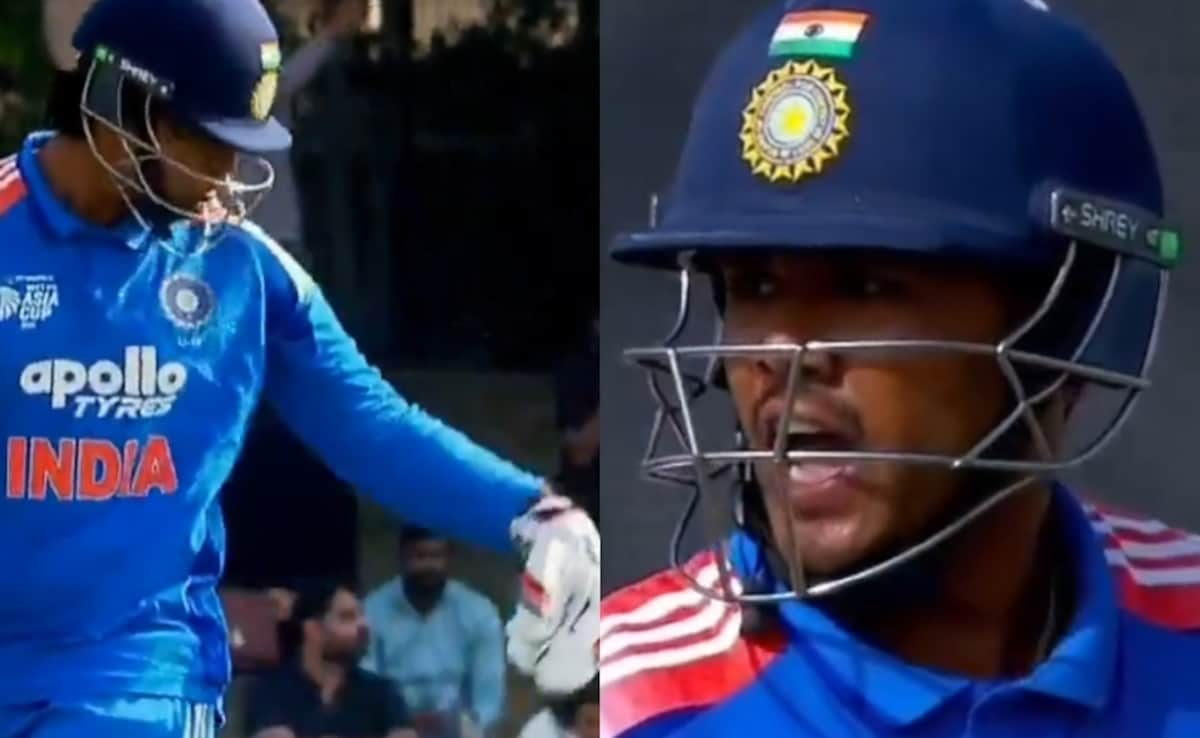
Vaibhav Suryavanshi and Ayush Mhatre during the U-19 Asia Cup final.
The Board of Control for Cricket in India (BCCI) has taken what officials and observers are calling a “beyond usual” step following India’s defeat to Pakistan in the final of the ICC Under-19 Asia Cup. While losses at the junior level are not uncommon and are often treated as part of the learning curve, the BCCI’s response to this particular defeat has drawn attention across the cricketing fraternity.
Rather than focusing solely on the result, the Indian cricket board has chosen to emphasize long-term development, mental conditioning, and structured performance evaluation for players such as Ayush Mhatre, Vaibhav Suryavanshi, and their teammates. The move reflects a shift in how elite junior cricketers are being groomed for the pressures of international cricket.
The U-19 Asia Cup Final: A Brief Overview
India’s Under-19 team entered the Asia Cup final with high expectations, having performed consistently throughout the tournament. The final against arch-rivals Pakistan, however, proved to be a stern test of temperament, adaptability, and composure under pressure.
Despite moments of promise from several players, India fell short against a disciplined Pakistani side. The defeat was disappointing but not alarming from a performance perspective, according to experts who pointed out that finals often hinge on handling pressure rather than raw talent.
For players like Ayush Mhatre and Vaibhav Suryavanshi, the match represented their first exposure to a high-stakes India-Pakistan final at the international youth level.
Photo suggestions
- Indian U-19 team during the Asia Cup final
- India vs Pakistan U-19 match action shot
The Emotional Impact of a High-Pressure Loss
Losses in finals, especially against Pakistan, carry emotional weight for Indian cricketers at any level. For teenagers still developing their game and mindset, such defeats can either become setbacks or stepping stones.
Former India cricketers and coaches have often stressed that how young players respond to defeat is as important as how they celebrate success. The BCCI appears to have taken this philosophy seriously in its post-tournament approach.
Instead of rushing into criticism or immediate technical overhauls, the board focused on reflection, learning, and psychological recovery.
What Is the ‘Beyond Usual’ Step Taken by BCCI?
According to sources familiar with the matter, the BCCI has initiated a structured post-tournament intervention program for the U-19 squad. This step goes beyond the traditional review meetings and fitness assessments usually conducted after a tournament.
Key elements of this initiative reportedly include:
- Extended interaction sessions with national coaches and selectors
- Sports psychology workshops focused on handling pressure and failure
- Individual performance reviews with clear development roadmaps
- Mental conditioning and resilience training
- Long-term tracking rather than immediate team reshuffles
This approach signals a shift from result-based evaluation to process-based development.
Photo suggestions
- BCCI headquarters or National Cricket Academy exterior
- Young cricketers in a training or discussion session
Focus on Ayush Mhatre and Vaibhav Suryavanshi
Ayush Mhatre and Vaibhav Suryavanshi were among the players closely observed during the tournament. Both showed glimpses of talent and temperament, though consistency under final-match pressure remains an area for growth.
BCCI officials believe that such experiences are essential in shaping future international cricketers. Rather than singling out players for criticism, the board aims to help them understand decision-making under stress.
Selectors reportedly see both players as long-term prospects and want to ensure that one high-profile loss does not derail confidence or development.
Why the BCCI’s Approach Matters
India’s cricketing depth at the junior level is immense, but not every talented Under-19 player transitions successfully to the senior level. One of the key reasons identified over the years has been the inability to handle pressure and expectations.
By addressing mental conditioning early, the BCCI hopes to bridge the gap between youth success and senior consistency. The current approach recognizes that technical skill alone is not enough in modern international cricket.
This philosophy aligns with global best practices adopted by leading cricketing nations, where sports psychology is considered as important as batting or bowling technique.
Lessons from Past U-19 Campaigns
India has produced several world-class cricketers through the Under-19 system. However, history also shows that early success or failure does not always predict senior-level outcomes.
Some players who struggled at the U-19 level went on to have outstanding international careers, while others who dominated youth tournaments found it difficult to adapt later.
The BCCI’s current strategy appears to be informed by these lessons, focusing on sustainable growth rather than short-term results.
Handling India-Pakistan Rivalry at Junior Level
The India-Pakistan rivalry is intense even at the Under-19 level. Young players are often exposed to massive attention, media scrutiny, and public expectations during such matches.
Experts believe that shielding players from excessive pressure while gradually preparing them for high-profile encounters is essential. The BCCI’s intervention after the Asia Cup final reflects an understanding of this challenge.
Officials want players to view such matches as opportunities to learn rather than defining moments of success or failure.
Photo suggestions
- Crowd reaction during India vs Pakistan U-19 match
- Players shaking hands after the final
Support from Coaches and Former Players
Former India cricketers have largely welcomed the BCCI’s move. Many have emphasized that losses in junior finals should not be treated as failures but as valuable lessons.
Several ex-players have pointed out that the transition from Under-19 cricket to domestic and international levels requires patience, support, and clarity of role.
Coaches associated with youth development have praised the emphasis on mental resilience, calling it a necessary evolution in Indian cricket’s talent pipeline.
What Happens Next for the U-19 Squad?
Following the Asia Cup, the U-19 players are expected to return to domestic commitments, age-group tournaments, and training camps. The BCCI’s development plan reportedly includes:
- Continued monitoring through domestic performances
- Periodic camps at the National Cricket Academy
- Opportunities in A-team or emerging players’ tournaments
- Clear communication regarding expectations and progress
The idea is to ensure continuity rather than abrupt changes based on one tournament outcome.
A Broader Vision for Indian Cricket
This “beyond usual” step reflects a broader vision within Indian cricket administration. With increasing competition and professionalization globally, India cannot rely solely on talent volume.
Structured nurturing, psychological preparedness, and long-term planning are becoming central pillars of the BCCI’s strategy.
The U-19 Asia Cup final loss may have been disappointing, but the response suggests that the board views it as part of a larger developmental journey.
Public and Fan Reactions
Fans initially expressed disappointment over the loss to Pakistan, but reactions softened as reports of the BCCI’s supportive approach emerged.
Many cricket followers appreciated the focus on player welfare and development rather than blame. On social media, several commentators praised the board for prioritizing growth over knee-jerk reactions.
The episode has sparked discussion about how young athletes should be managed in high-pressure sporting environments.
India’s defeat in the U-19 Asia Cup final against Pakistan may have denied the team a trophy, but it has prompted a thoughtful and forward-looking response from the BCCI. By taking steps that go beyond routine reviews, the board has underlined its commitment to nurturing not just skilled cricketers, but mentally strong professionals.
For players like Ayush Mhatre, Vaibhav Suryavanshi, and their teammates, the experience — combined with institutional support — could prove invaluable in shaping their careers.
In the long run, this approach may well strengthen Indian cricket’s foundation, ensuring that future generations are better equipped to handle both success and failure on the international stage.
Also Read : Amitabh Bachchan Reviews Grandson Agastya Nanda’s Film Ikkis: ‘Eyes Filled With Tears Of Joy And Pride’