

 Categories

India prepares to unveil its first National Anti-Terrorism Policy. Details on the framework, strategy, and implications for national security.
New Delhi:
India is set to unveil its first-ever comprehensive national anti-terror policy, a landmark move aimed at strengthening the country’s long-term response to terrorism and violent extremism. Senior government officials have indicated that the policy is in its final stages and is expected to be released soon, marking a significant shift from fragmented counter-terror measures to a unified national framework.
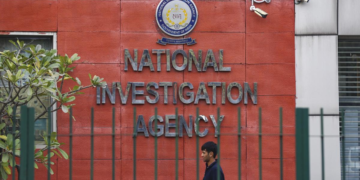
The NIA is organising an anti-terror conference on December 26 and 27 at Delhi where the contours of the policy are likely to be shared. File | Photo Credit: PTI
The proposed policy is expected to define clear strategic objectives, coordination mechanisms, and operational principles for dealing with terrorism across India’s vast and complex security landscape. Once released, it will serve as a guiding document for central and state agencies, security forces, intelligence organisations, and policymakers.
Why India Needs a Formal Anti-Terror Policy
India has faced terrorism in multiple forms for decades — from cross-border terrorism and insurgency to lone-wolf attacks and radicalisation through digital platforms. While the country has developed strong laws, agencies, and operational capabilities, experts have long pointed out the absence of a single, overarching policy document that outlines a national counter-terror vision.
Currently, India’s counter-terror response is guided by:
- Laws such as the Unlawful Activities (Prevention) Act (UAPA)
- Institutions like the National Investigation Agency (NIA), Multi-Agency Centre (MAC), and National Security Guard (NSG)
- Intelligence coordination between central and state agencies
However, these mechanisms evolved over time, often in response to specific incidents. The new policy aims to bring coherence, clarity, and long-term planning to India’s anti-terror strategy.
What the Anti-Terror Policy Is Expected to Cover
According to officials familiar with the drafting process, the policy is likely to address terrorism in a holistic and multi-dimensional manner, going beyond reactive security responses.
1. Clear Definition of Terrorism and Threats
One of the expected features of the policy is a comprehensive definition of terrorism, covering:
- Cross-border terrorism
- Home-grown extremist networks
- Left-wing extremism
- Terror financing
- Cyber-enabled radicalisation
- Use of emerging technologies such as drones and encrypted communications
This clarity is intended to help agencies respond consistently and avoid jurisdictional ambiguities.
(Photo 2 suggestion: Security forces during an anti-terror drill)
Caption: The new policy is expected to emphasise preparedness, coordination, and modernisation of security forces.
2. Strengthening Intelligence and Coordination
A recurring challenge in counter-terror operations has been the gap between intelligence collection and real-time action, particularly across state boundaries.
The policy is expected to:
- Enhance intelligence sharing between central and state agencies
- Strengthen joint task forces and real-time data platforms
- Improve coordination between intelligence, police, paramilitary forces, and armed forces
Officials believe that better coordination can significantly reduce response time and prevent attacks before they occur.
3. Focus on Terror Financing and Logistics
Terror networks rely heavily on financial and logistical support systems. The upcoming policy is expected to give renewed focus to:
- Tracking terror funding channels
- Monitoring misuse of charities, shell companies, and digital payment platforms
- Strengthening cooperation with financial intelligence units and international partners
By targeting the economic backbone of terror organisations, authorities aim to disrupt operations more effectively.
Addressing Radicalisation and Online Extremism
One of the most complex challenges facing security agencies today is online radicalisation, particularly among young people.
The anti-terror policy is expected to include:
- Monitoring of extremist propaganda on social media and encrypted platforms
- Counter-radicalisation strategies involving education and community outreach
- Collaboration with technology companies to remove extremist content
Experts say that tackling radicalisation at an early stage is essential to preventing future attacks.
Role of States in the National Framework
Law and order is primarily a state subject in India, making state governments critical partners in counter-terror efforts. The new policy is expected to clearly define:
- The role of state police forces
- Coordination protocols with central agencies
- Standard operating procedures for terror-related incidents
This clarity could help reduce confusion during emergencies and improve operational efficiency.
Legal and Human Rights Considerations
While strengthening security measures, the government is also expected to emphasise the rule of law and constitutional safeguards.
Sources indicate that the policy may:
- Reinforce adherence to due process
- Stress accountability and oversight mechanisms
- Balance national security needs with civil liberties
Security analysts note that public trust is a crucial element in counter-terrorism, and transparent legal frameworks help maintain that trust.
Learning from Global Best Practices
India’s policy is expected to draw lessons from international experiences while remaining rooted in domestic realities.
Countries such as the United Kingdom, France, and Australia have formal counter-terror strategies that combine:
- Security enforcement
- Prevention and de-radicalisation
- Community engagement
- International cooperation
India’s policy is likely to adapt such approaches to its own socio-political context and threat environment.
Technology and Future Threats
The evolving nature of terrorism means future threats may look very different from those of the past. The policy is expected to address:
- Use of drones and unmanned systems by terror groups
- Cyber terrorism and attacks on critical infrastructure
- Artificial intelligence and deepfake misuse for propaganda
By anticipating future risks, the policy aims to keep India’s counter-terror posture forward-looking rather than reactive.
Political and Strategic Significance
The release of India’s first anti-terror policy carries both domestic and international significance.
Domestically, it signals a move toward:
- Institutional clarity
- Long-term planning
- Stronger accountability
Internationally, it reinforces India’s position as a country committed to combating terrorism in all forms, strengthening cooperation with global partners.
Public and Expert Reactions
Security experts have largely welcomed the move, calling it a long-overdue step.
Many analysts believe that:
- A formal policy can improve consistency across governments and agencies
- It will help future administrations maintain continuity in counter-terror strategy
- It can improve training, preparedness, and resource allocation
However, experts also stress that implementation will be key, warning that a policy document alone is not enough without sustained political will and institutional capacity.
Challenges Ahead
Despite its promise, the policy will face several challenges:
- Ensuring uniform adoption across states
- Avoiding bureaucratic delays
- Balancing security imperatives with democratic freedoms
- Keeping the policy updated as threats evolve
Success will depend on continuous review, inter-agency cooperation, and public confidence.
Conclusion: A Defining Moment in India’s Security Architecture
The forthcoming release of India’s first anti-terror policy marks a defining moment in the country’s national security journey. By moving toward a unified, structured, and forward-looking framework, India is signalling its intent to confront terrorism with clarity, coordination, and resolve.
As the policy is made public, attention will shift from its contents to its execution. For a country as diverse and complex as India, the true test will lie in translating strategy into action — ensuring that security measures remain effective, lawful, and responsive to emerging threats.
Also Read : mid-day helps you find your way around the new Navi Mumbai International Airport