

 Categories
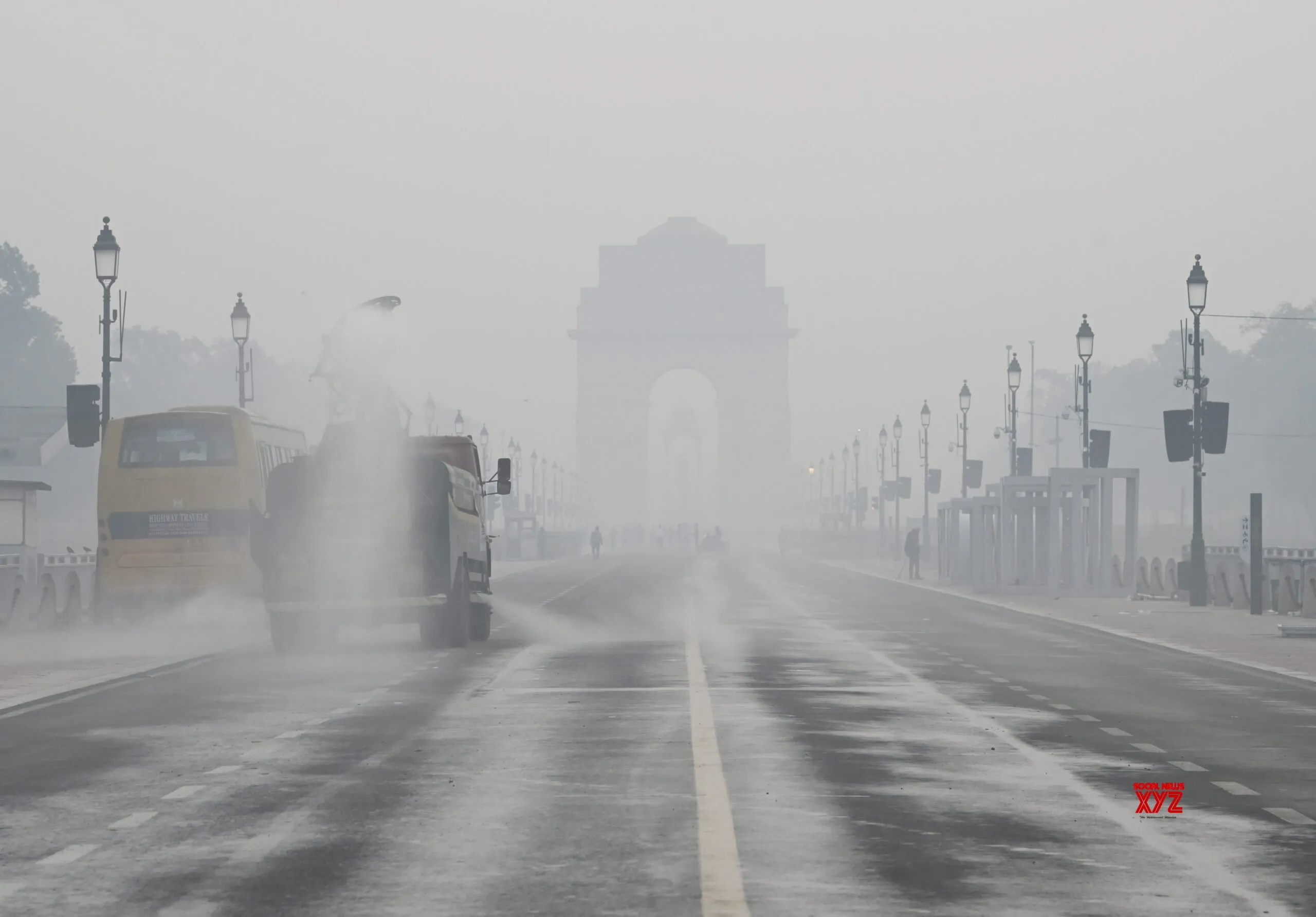
Low visibility alert for Delhi: Dense fog & ‘severe’ AQI cause major disruptions. Check latest IMD alerts for train & flight delays, and safety updates.
New Delhi:
Delhi and the National Capital Region (NCR) woke up to a difficult winter morning as dense fog combined with dangerously high air pollution levels, severely affecting visibility and disrupting daily life. The India Meteorological Department (IMD) issued a low-visibility alert as thick fog enveloped the city, while the Air Quality Index (AQI) plunged into the ‘Severe’ category, raising serious health and travel concerns.
The twin impact of dense fog and hazardous air quality led to widespread delays in flight and train services, traffic congestion on major roads, and health advisories for residents. Authorities urged citizens to remain cautious and limit outdoor activities, especially during early morning hours.
Air Quality Slips Into ‘Severe’ Category
According to data from the Central Pollution Control Board (CPCB), Delhi’s average AQI crossed the 400 mark, categorizing the air as ‘Severe’. Several areas including Anand Vihar, Ashok Vihar, Jahangirpuri, and Wazirpur recorded AQI levels between 420 and 460, indicating extremely unhealthy air.
PM2.5 particles, which are fine pollutants capable of entering deep into the lungs and bloodstream, remained the primary contributor to the deteriorating air quality. Health experts warned that prolonged exposure could trigger respiratory distress, heart complications, and aggravate existing health conditions.
Authorities advised children, elderly citizens, pregnant women, and people with respiratory illnesses to avoid outdoor exposure.
Dense Fog Reduces Visibility Across Delhi-NCR
Dense fog covered most parts of Delhi and NCR during the early morning hours, reducing visibility to as low as 100 metres in some locations. The IMD classified the situation as “very dense fog” and issued an Orange Alert for the region.
Meteorological officials stated that calm winds, high moisture levels, and low night temperatures contributed to the formation of dense fog. The fog was most intense between 5:00 am and 9:00 am, disrupting road, rail, and air transport.
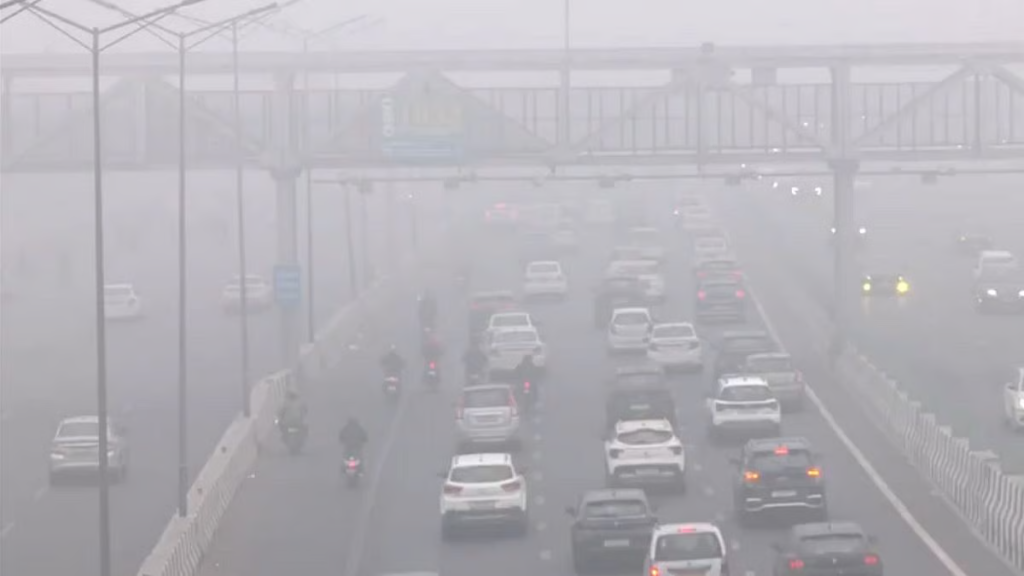
Motorists were advised to drive cautiously, use fog lights, and maintain safe distances between vehicles.
Flight Operations Affected at IGI Airport
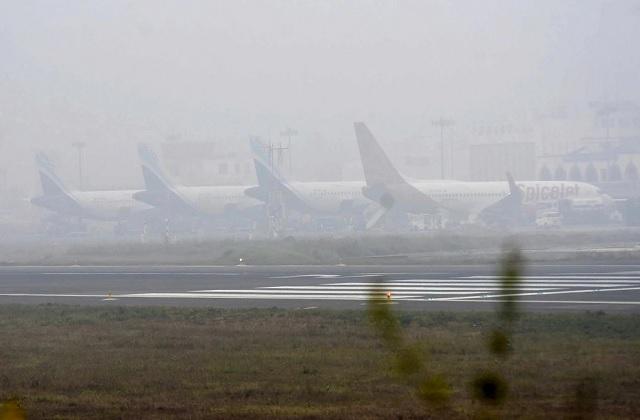
The dense fog caused major disruptions at Indira Gandhi International Airport, one of the busiest airports in the country. More than 150 flights were delayed, while some arrivals and departures were rescheduled due to low runway visibility.
Although the airport is equipped with CAT III Instrument Landing System technology, which allows aircraft to land in low visibility conditions, operational delays were unavoidable due to safety protocols. Several airlines including IndiGo, Air India, and SpiceJet issued travel advisories requesting passengers to check flight status before heading to the airport.
Passengers reported long waiting times, congestion at terminals, and delays extending to several hours.
Train Services Run Behind Schedule
Railway operations across northern India were also impacted due to poor visibility on tracks. Trains arriving in and departing from Delhi were delayed by one to three hours, with some long-distance trains experiencing even longer delays.
Railway officials slowed train speeds as a safety measure, leading to congestion at major stations. Passengers were advised to check live train updates before commencing their journeys.
Road Traffic Disruptions and Safety Concerns
Low visibility caused traffic to slow down across major roads, flyovers, and highways in the capital. Vehicles were seen moving with headlights on even after sunrise. Several minor accidents were reported due to fog-related visibility issues.
Traffic police issued advisories urging drivers to avoid sudden braking, maintain lane discipline, and follow speed limits. Public transport services also operated at reduced speeds.
Health Impact of Severe Air Pollution
Medical professionals expressed concern over the rising number of pollution-related health complaints. Hospitals reported an increase in patients experiencing breathing difficulties, eye irritation, sore throat, and chest discomfort.
Short-term exposure to severe air pollution can lead to coughing, fatigue, headaches, and shortness of breath, while long-term exposure increases the risk of asthma, chronic bronchitis, cardiovascular diseases, and reduced lung function.
Doctors advised residents to wear protective masks, keep windows closed, and use air purifiers indoors where possible.
Why Delhi Faces Severe Pollution in Winter
Several factors contribute to Delhi’s recurring winter pollution crisis:
- Low wind speed prevents dispersion of pollutants
- Temperature inversion traps polluted air near the ground
- Vehicular emissions and construction dust
- Industrial pollution in nearby regions
- Residual crop burning emissions from neighbouring states
These factors combine to form a dense layer of smog, especially during winter mornings and nights.
Government Response and Advisories
Authorities have intensified monitoring of air quality and weather conditions. The IMD continues to issue fog alerts, while pollution control agencies have urged strict implementation of emission control measures.
Citizens were advised to:
- Avoid outdoor exercise
- Work from home where possible
- Check weather and AQI updates regularly
- Use public transport cautiously
- Stay hydrated and follow medical advice
Schools and offices were asked to remain alert to further advisories if conditions worsen.
Weather Outlook for the Coming Days
Meteorologists predict that dense fog is likely to persist over the next few days, especially during early morning and late night hours. Air quality may see marginal improvement during daytime if wind speed increases, but severe conditions could continue if weather patterns remain stagnant.
Residents have been advised to remain cautious and stay updated with official forecasts.
The combination of dense fog and severe air pollution has once again highlighted Delhi’s winter environmental challenges. With transport disruptions, health risks, and reduced visibility, the situation calls for collective responsibility, informed travel planning, and long-term solutions to address air pollution.
As winter progresses, authorities and citizens alike must remain vigilant to ensure safety and minimize health risks during such hazardous conditions.
Also Read : Indian woman Himanshi Khurana murdered in Canada, police suspect case of ‘intimate partner violence’