

 Categories
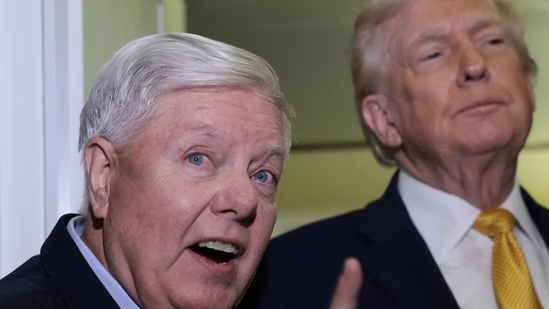
Trump backs proposed 500% tariff bill targeting India for buying Russian oil, escalating economic pressure over energy ties.
In a dramatic escalation of U.S.–India trade and geopolitical tensions, U.S. President Donald J. Trump has thrown his support behind a bipartisan U.S. Senate bill that would grant the president authority to impose tariffs of up to 500% on countries continuing to import Russian oil — a move that could directly affect India, currently one of Russia’s largest crude buyers.
The legislation, formally known as the Sanctioning of Russia Act of 2025, has quickly become one of the most talked-about international trade developments in recent years. Spearheaded by Republican Senator Lindsey Graham and backed by bipartisan support, the bill aims to economically isolate Russia by punishing not only Russia itself but also nations that — in the view of U.S. sponsors — indirectly support the Russian economy by purchasing its fossil fuels.
Proposed Tariffs That Could Shake Global Trade
Under the proposed bill, countries that knowingly purchase Russian crude oil, petroleum products, uranium or other strategic resources could face punitive tariffs of up to 500% on their exports to the United States. This far exceeds traditional punitive tariffs used in trade disputes and reflects a strategy to use economic coercion as a tool of foreign policy.
According to supporters of the bill, the rationale is simple: Russia’s earnings from oil exports have funded its military operations, including the ongoing war in Ukraine. By threatening severe tariffs on its major buyers, the U.S. hopes to cut off revenue flows to Moscow and force a reassessment of its war strategy.
Why India Is in the Crosshairs
India has historically been one of the world’s largest purchasers of Russian crude. In the wake of Western sanctions imposed after Russia’s full-scale invasion of Ukraine in 2022, Russia offered steep discounts on its oil — allowing countries like India to import energy at historically low prices, helping fuel economic growth and energy security for its 1.4 billion people.
Despite repeated U.S. warnings and successive tariff hikes in 2025 — which have already seen total duties on Indian exports to the United States rise to 50% — India has not fully cut off Russian oil imports. This has left New Delhi in a diplomatic and economic gray zone, balancing its energy security needs with partner-level expectations from Washington.
The new bill’s 500% threat escalates that pressure to an unprecedented level. If enacted, certain Indian goods could become prohibitively expensive in the U.S. market, potentially crippling critical sectors such as textiles, gems and jewellery, leather, shrimp, and machinery.
Trump’s Position and Motivations
President Trump confirmed his backing of the sanctions bill in public statements and in communications with lawmakers, citing the need to force a strategic realignment among nations — including India — as part of the broader U.S. goal of ending Russia’s war in Ukraine.
Trump’s political calculus appears two-fold:
- Geopolitical leverage: By tying trade policy to energy imports, the U.S. administration aims to change the cost-benefit equation for Russia’s trading partners.
- Domestic political signaling: The move reinforces Trump’s narrative of being tough on Russia while appealing to constituents who support aggressive measures to support Ukraine.
Trump’s public messaging has not shied away from direct pressure — warning that continued Russian oil purchases could result not just in tariffs but in broader economic consequences for trading partners.
India’s Response and Diplomatic Counter-Pressure
The Indian government has so far responded diplomatically but firmly.
New Delhi has described earlier tariff impositions as “unjustified and unreasonable,” emphasizing that its energy decisions are driven by legitimate considerations of economic and energy security — especially in a volatile global market where affordability and supply stability are paramount.
In response to U.S. pressure, Indian authorities have also taken internal measures, including requiring refiners to report weekly data on Russian oil imports — a sign of India’s attempt to balance transparency with national interests.
India’s Ministry of External Affairs has underscored that Western nations themselves have previously engaged in significant energy trade with Russia, pointing to a perceived double standard in the framing of punitive measures against New Delhi.
Economic Impacts: Trade, Markets, and Beyond
If enacted, the bill’s drastic tariff approach could have far-reaching economic consequences:
1. Indian Exports to the U.S.
Indian exports to the United States — valued at tens of billions of dollars annually — would face substantially higher costs, likely pricing many goods out of the U.S. market. Sectors most vulnerable include textiles, apparel, leather goods, gemstones and jewellery, and agricultural products.
2. U.S.–India Trade Deal Prospects
Negotiations on a broader U.S.–India trade deal have already been complicated by tariff disputes, with New Delhi seeking tariff reductions while Washington has tied concessions to India’s energy alignment. The 500% bill could derail talks entirely unless robust diplomatic engagement occurs.
3. Global Supply Chain Realignments
Countries may seek to diversify export markets beyond the United States to avoid punitive tariffs, accelerating realignments in global supply chains. Conversely, U.S. importers may look to alternative partners, including Southeast Asian, African, and Latin American producers.
4. Energy Market Volatility
Markets may also react strongly in global crude pricing and refining margins, as India’s purchasing patterns shift in response to diplomatic pressure and tariff threats.
Reactions from Other Major Players
The proposed tariff bill has drawn international attention and varied responses:
- China and Brazil: Other major Russian oil importers like China and Brazil could also be targeted, though India remains the most immediate concern for U.S. policymakers.
- European Union: Some European voices have supported tougher sanctions on Russia while others caution against destabilizing global trade norms.
- Ukraine: Ukrainian officials have backed measures that economically pressure Russia and its trading partners, framing such tariffs as necessary to end the war. (External reporting)
- Industry groups: Business lobbies on both sides warn that tariffs of this magnitude could set a damaging precedent undermining the global trade system.
Legal and Political Challenges Ahead
For the bill to take effect, it must pass both chambers of the U.S. Congress. Given its broad bipartisan sponsorship, many analysts believe it has a high probability of approval — but not without debate. Critics argue it could violate World Trade Organization (WTO) rules or exacerbate diplomatic rifts with key partners.
Even if enacted, the law includes provisions for presidential waivers in “national security interests,” giving the executive branch discretionary flexibility in implementation.
What Comes Next?
- A Senate vote on the Sanctioning of Russia Act of 2025 is expected imminently.
- Continued diplomatic engagement between Washington and New Delhi will be critical to prevent deepening estrangement.
- Economic analysts will watch markets closely for signs of trade diversion and shifts in oil supply chains.
Also Read : Dropped from Bangladesh Premier League? Indian sports presenter clarifies exit