

 Categories
5 Big Mumbai Weather Updates: City Enjoys Good AQI Despite Rising Humidity Levels
Mumbai records good air quality despite humid weather conditions, bringing relief to residents
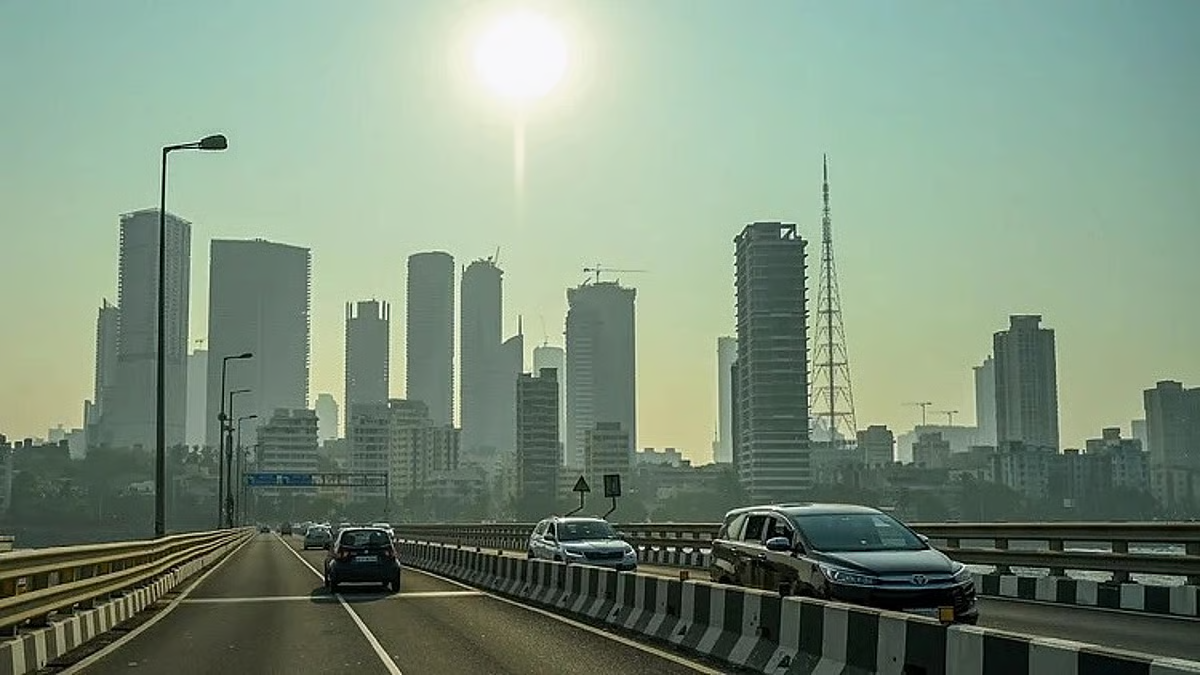
Mumbai, the financial capital of India, continues to witness humid weather conditions even as the city records encouraging air quality levels. In a welcome relief for residents, the city’s Air Quality Index (AQI) has remained in the “good” category across several monitoring stations despite fluctuating temperatures and increasing moisture in the atmosphere.
The latest weather update has sparked conversations among Mumbaikars who are used to battling rising pollution levels, traffic emissions, and seasonal humidity during the pre-monsoon period. Experts believe the combination of coastal winds, light rainfall activity, and atmospheric movement has helped maintain cleaner air across several parts of the city.
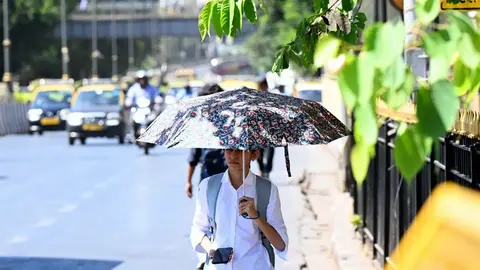
According to weather officials, Mumbai is currently experiencing warm and sticky conditions with humidity levels remaining significantly high during both daytime and nighttime hours. While residents continue to face discomfort due to sweating and heat retention, the improvement in AQI has been considered a positive development for public health.
The city’s weather pattern has become one of the most discussed topics online as people search for updates related to temperature, rainfall predictions, monsoon movement, AQI readings, and health precautions.
This detailed report covers Mumbai’s current weather situation, AQI levels, humidity impact, monsoon expectations, expert opinions, health advisory, traffic implications, public reactions, and future forecasts.
Mumbai woke up to cloudy skies and warm temperatures as humidity levels remained elevated throughout the day. The city witnessed sticky conditions in several regions including South Mumbai, Western Suburbs, Central Mumbai, Navi Mumbai, and Thane.
Weather experts noted that humidity percentages crossed uncomfortable levels during morning and evening hours. Coastal cities like Mumbai often experience such weather conditions before the arrival of monsoon showers.
The maximum temperature hovered around seasonal averages while nighttime temperatures remained relatively warm, reducing overall comfort levels.
Residents reported feeling excessive sweating and fatigue during outdoor travel, especially during peak afternoon hours. However, strong sea breeze activity during evening hours provided partial relief in several coastal zones.
Meteorologists explained that moisture-laden winds from the Arabian Sea are contributing to persistent humidity across Mumbai and nearby districts.
Despite the discomfort, experts say the humid conditions are also an indicator that monsoon activity may gradually strengthen in the coming weeks.
One of the most significant highlights of the latest weather update is Mumbai’s improved Air Quality Index.
According to monitoring agencies, several AQI stations across the city recorded readings within the “good” and “satisfactory” categories. This comes as a major relief considering that metropolitan cities often struggle with declining air quality due to vehicle emissions, industrial pollution, and construction activities.
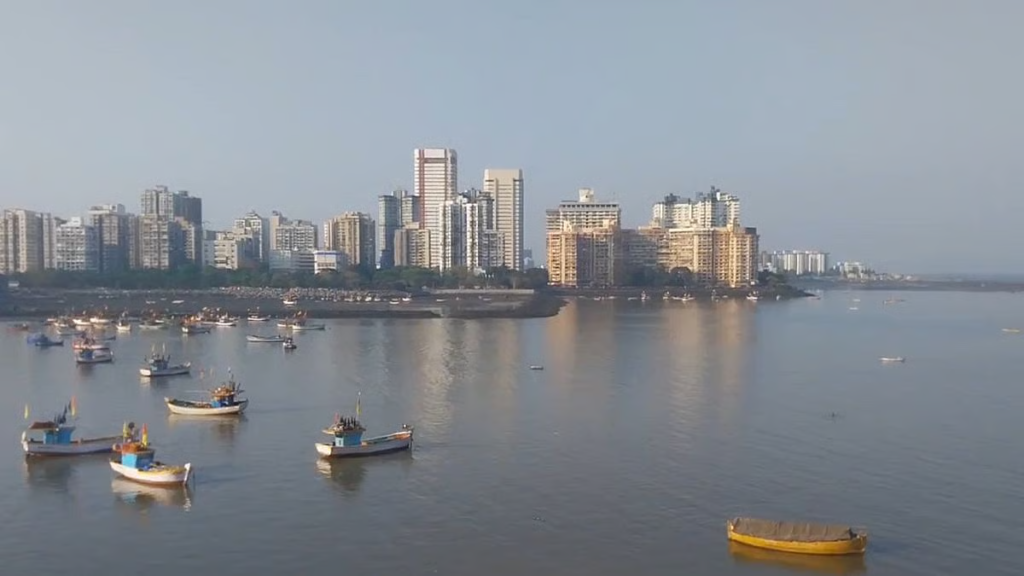
Areas including Colaba, Bandra, Worli, Powai, and Navi Mumbai reportedly experienced healthier AQI levels compared to previous weeks.
Environmental experts attribute the improvement to multiple factors including:
- Coastal wind circulation
- Increased atmospheric dispersion
- Reduced dust accumulation
- Moisture in the air
- Intermittent cloud cover
- Early pre-monsoon activity
Experts explained that humid air and occasional drizzle can help suppress suspended particulate matter, preventing pollutants from remaining concentrated in the atmosphere.
This has positively impacted overall air quality readings across Mumbai.
The Air Quality Index, commonly known as AQI, measures the concentration of pollutants in the air. It provides a numerical value that helps residents understand whether the air is safe or harmful.
AQI categories generally include:
- Good
- Satisfactory
- Moderate
- Poor
- Very Poor
- Severe
A “good” AQI indicates minimal health risk and cleaner air conditions.
Health experts say better air quality can reduce respiratory discomfort, eye irritation, and breathing problems among residents, especially for children, elderly individuals, and patients with asthma.
Mumbai’s improved AQI has therefore been viewed as a positive sign for public health.
Environmental analysts also pointed out that cleaner air improves outdoor activity conditions and reduces pollution-related stress on urban populations.
Mumbai’s geographical location plays a major role in its weather patterns.
Being situated along the Arabian Sea, the city naturally experiences elevated moisture levels throughout much of the year.
Humidity tends to rise further during:
- Pre-monsoon season
- Monsoon season
- Post-rainfall periods
- Coastal wind shifts
High humidity makes the air feel heavier and warmer because sweat evaporates more slowly from the human body.
This leads to discomfort, excessive sweating, dehydration, and fatigue.
Even when temperatures are not extremely high, humidity can create the sensation of intense heat.
Meteorologists say Mumbai’s humidity levels often rise sharply before rainfall events.
This is why many residents associate sticky weather with the approaching monsoon.
The India Meteorological Department (IMD) has forecast partly cloudy skies and chances of light rainfall activity in isolated parts of Mumbai.
Weather officials have also indicated that humidity levels are likely to remain high in the coming days.
The forecast suggests:
- Warm daytime temperatures
- Sticky nighttime conditions
- Intermittent cloud movement
- Possibility of pre-monsoon showers
- Strong coastal winds during evenings
Experts say rainfall activity may gradually increase as monsoon systems advance toward the western coast.
The IMD continues to monitor regional weather developments closely.
Residents have been advised to remain updated with official forecasts, especially commuters and individuals traveling during peak traffic hours.
High humidity affects everyday life in multiple ways.
Many Mumbaikars have complained about discomfort during commuting, especially while using crowded local trains, buses, and road transport systems.
Office-goers, delivery workers, traffic police personnel, and outdoor laborers are among the most affected groups.
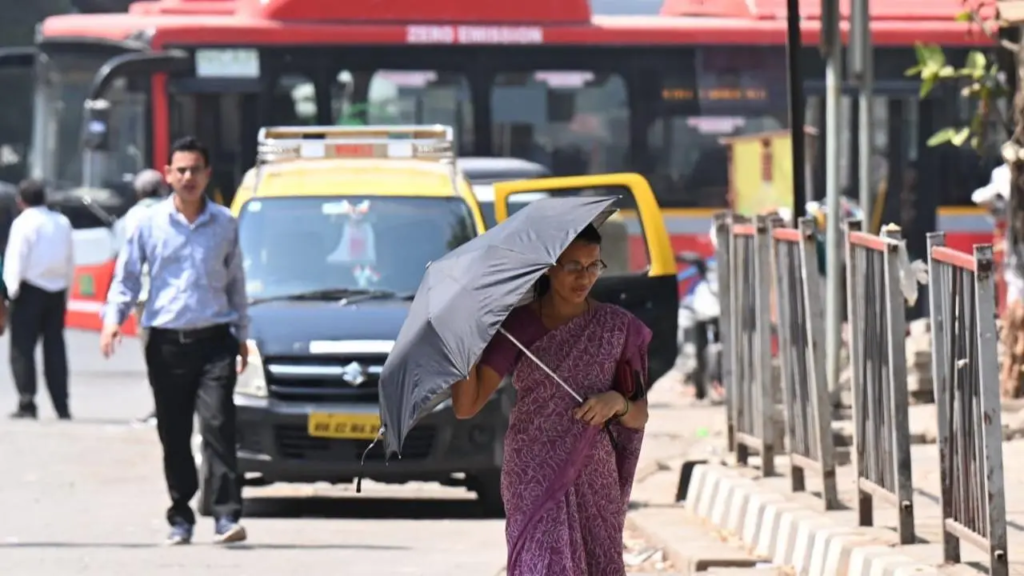
Common problems associated with humid weather include:
- Excessive sweating
- Fatigue
- Heat exhaustion
- Dehydration
- Skin irritation
- Sleep discomfort
- Reduced productivity
Doctors advise residents to stay hydrated and avoid prolonged exposure to direct sunlight during peak afternoon hours.
Several citizens also increase the use of air conditioners and cooling appliances during humid periods, leading to higher electricity consumption across the city.
Medical professionals have urged people to take precautions amid rising humidity levels.
Doctors recommend:
- Drinking sufficient water
- Wearing light cotton clothing
- Avoiding dehydration
- Limiting outdoor exposure during extreme heat
- Using umbrellas or caps during travel
- Maintaining indoor ventilation
Health experts warn that humid conditions can worsen fatigue and breathing discomfort, particularly among elderly citizens and individuals with pre-existing health conditions.
Children and outdoor workers are also vulnerable to heat-related exhaustion.
Doctors have advised residents to monitor symptoms such as dizziness, nausea, headaches, and excessive tiredness.
Experts say maintaining hydration remains one of the most effective ways to prevent heat-related illnesses.
The approaching monsoon remains one of the most anticipated weather developments in Mumbai.
Every year, the arrival of monsoon transforms the city’s climate dramatically.
Weather experts believe current humidity patterns and cloud activity may indicate gradual advancement of monsoon systems.
The southwest monsoon is critical for Mumbai because it:
- Provides relief from summer heat
- Improves water reservoirs
- Supports agriculture
- Reduces dry atmospheric conditions
- Influences transportation systems
However, monsoon season also brings challenges including:
- Waterlogging
- Traffic congestion
- Train delays
- Flooding in low-lying areas
- Infrastructure stress
Authorities are reportedly reviewing preparedness measures ahead of the rainy season.
Environmental experts say Mumbai’s coastal geography plays a crucial role in dispersing pollutants.
Sea breeze circulation helps prevent pollution from remaining trapped over the city for extended periods.
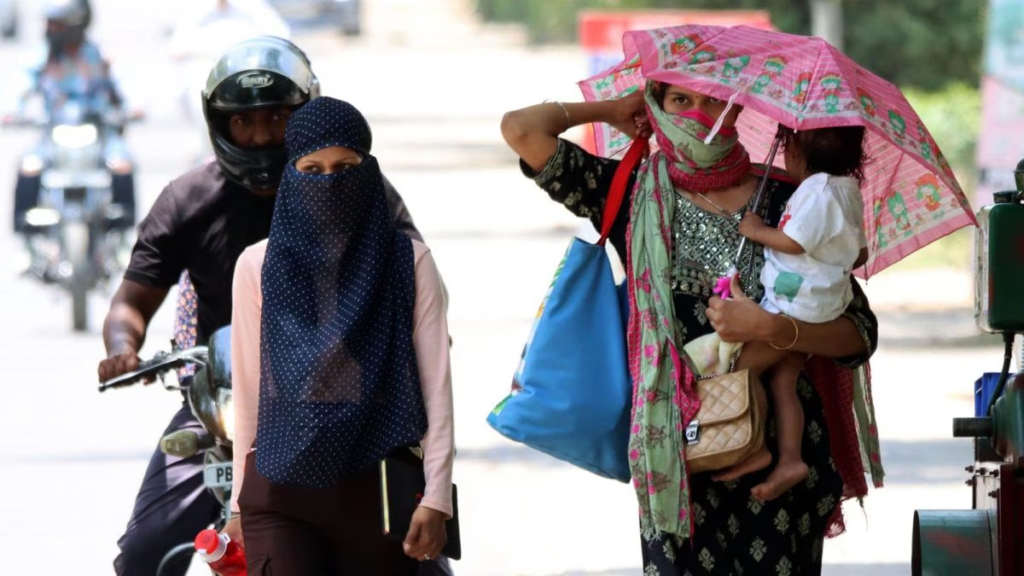
Unlike landlocked cities where pollutants may accumulate due to stagnant air conditions, Mumbai often benefits from natural atmospheric movement.
Strong coastal winds can:
- Improve air circulation
- Reduce dust concentration
- Lower particulate pollution
- Enhance dispersion of emissions
This is one reason why AQI levels occasionally improve significantly during periods of active sea breeze.
However, experts caution that long-term air quality improvement still requires sustained pollution control measures.
Even though air quality has improved, humid weather continues to affect Mumbai commuters.
Heavy sweating and uncomfortable travel conditions remain major concerns.
Peak-hour commuters often face:
- Crowded trains
- Heat buildup inside buses
- Slow-moving traffic
- Exhaustion during long travel times
Traffic congestion combined with humidity can create stressful travel conditions.
Many residents have also reported increased dependence on taxis, ride-sharing services, and air-conditioned transport during humid spells.
Weather experts believe rainfall activity may further complicate traffic movement once monsoon intensifies.
Authorities are expected to monitor weather-sensitive infrastructure carefully.
Environmental specialists have welcomed Mumbai’s cleaner air readings.
Experts emphasized that improved AQI provides temporary relief but should not lead to complacency.
They stressed the importance of:
- Sustainable urban planning
- Pollution monitorin
Read Also : 7 Stunning Reasons Why PM Modi’s Melody Gift to Meloni Left Parle VP Pleasantly Surprised