

 Categories
Rs 600 Crore Railway Land Row: 500 Hutments, Eid Tensions & 7 Explosive Reasons Mumbai’s Mega Eviction Drive Turned Chaotic
Mumbai’s massive eviction drive over Rs 600 crore railway land spiraled into chaos amid protests, Eid fears, and demolition of 500 hutments
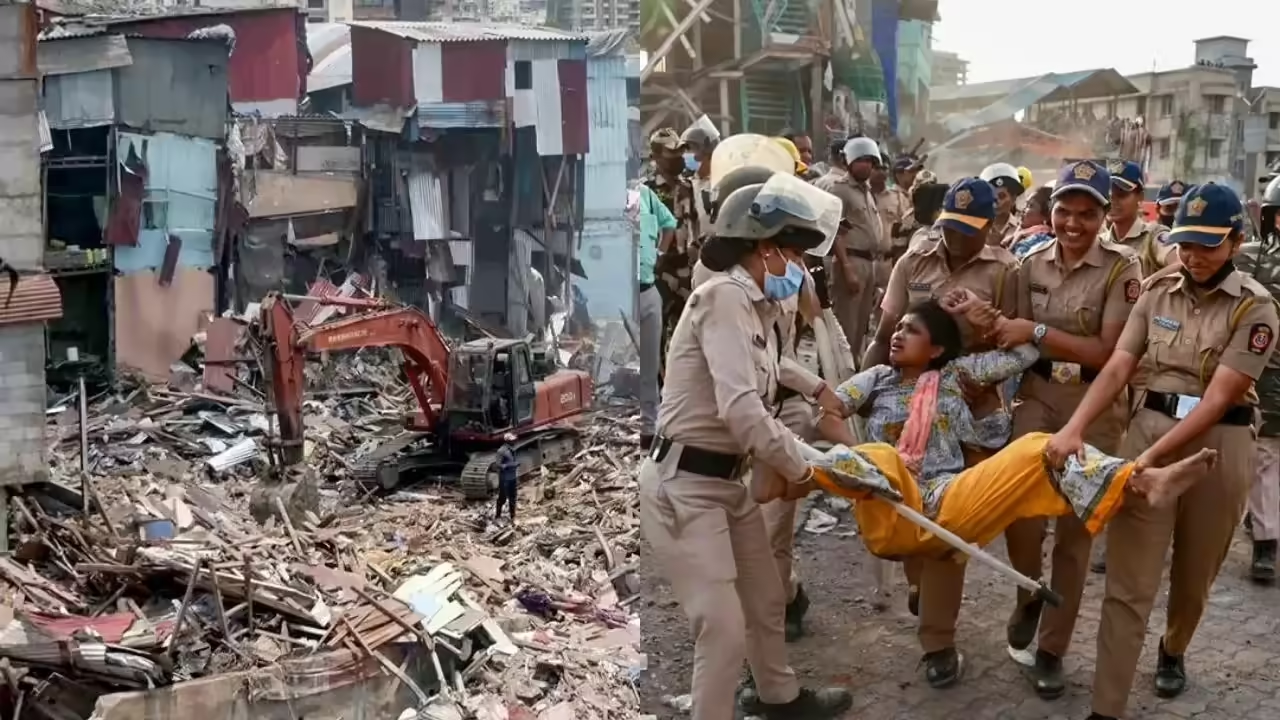
Mumbai witnessed high drama and tension after a massive eviction drive targeting illegal hutments on valuable railway land spiraled into chaos. The operation, linked to nearly Rs 600 crore worth of railway property, triggered protests, emotional scenes, police deployment, and political reactions as hundreds of families faced demolition fears ahead of Eid.
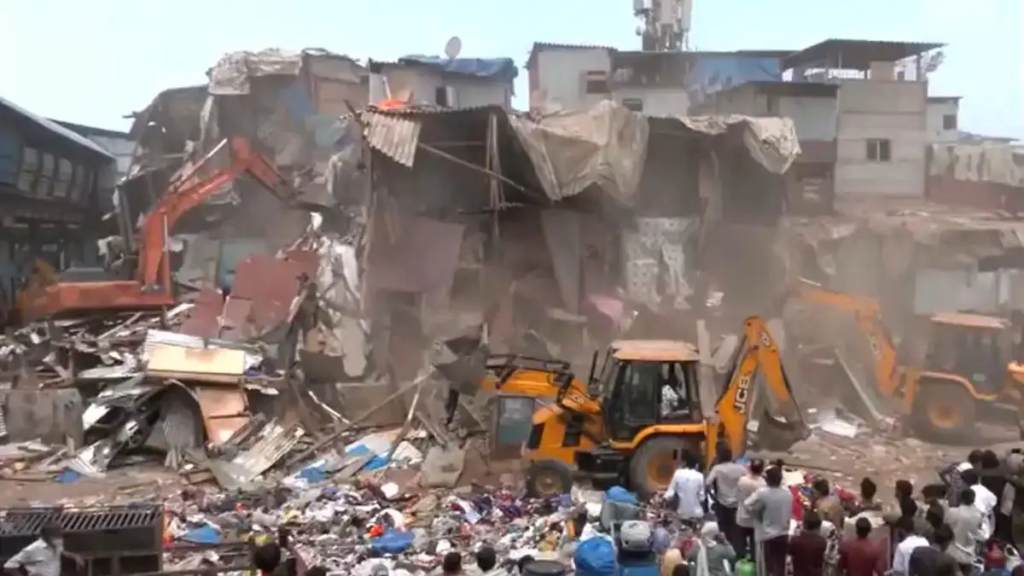
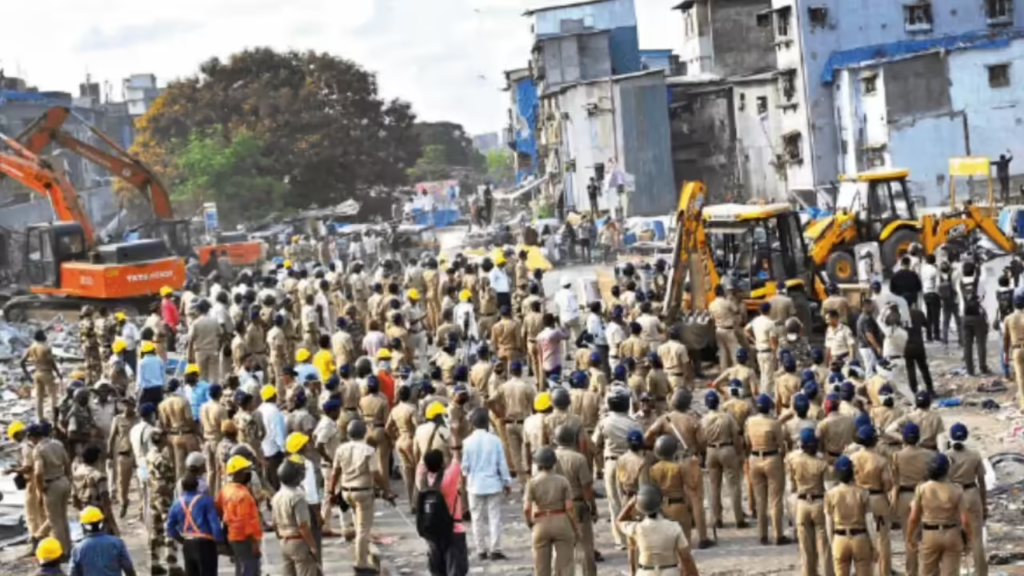
The eviction drive quickly became one of the most talked-about issues in the city, with visuals of bulldozers, heavy police presence, and distressed residents going viral across social media platforms. Authorities claimed the operation was necessary to reclaim encroached railway land and improve public infrastructure, while residents argued they were being displaced without adequate rehabilitation or consideration for the upcoming festival season.
The situation exposed the deep-rooted conflict between urban development, land management, and humanitarian concerns in one of India’s most densely populated cities.
According to officials, the disputed land belonged to railway authorities and had allegedly been occupied illegally for years. The land, estimated to be worth around Rs 600 crore, was reportedly considered critical for future railway expansion, infrastructure projects, and operational safety.
Authorities stated that around 500 hutments had come up on the land over time, creating congestion and increasing risks near railway tracks. Officials argued that illegal settlements near railway corridors can pose serious safety threats, including accidents, obstruction of maintenance work, and fire hazards.
The eviction operation was launched after multiple notices were reportedly issued to residents. Railway officials maintained that reclaiming the land was essential for public infrastructure improvement and long-term urban planning.
However, the residents claimed many families had lived there for decades and had developed an entire community around the settlement.
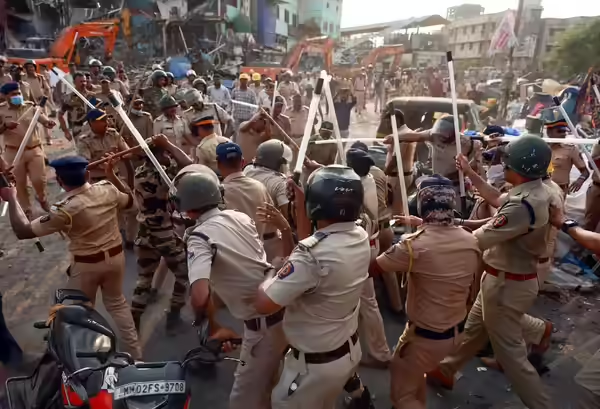
What began as an official anti-encroachment drive soon turned chaotic as residents gathered in large numbers to resist the demolitions. Emotional confrontations broke out between authorities and locals, with many families pleading for more time.
Several videos circulating online showed women crying, children watching in fear, and residents attempting to block bulldozers from entering certain areas. Protesters accused authorities of carrying out the operation insensitively, especially with Eid celebrations approaching.
Heavy police deployment was required to control the situation as tensions escalated rapidly. Barricades were installed around the area while officers attempted to prevent clashes and maintain order.
Eyewitnesses described scenes of panic and confusion as families rushed to save household belongings before structures were demolished.
The emotional intensity of the eviction operation quickly transformed it from a local administrative matter into a citywide political and social issue.
One of the biggest reasons the issue exploded emotionally was the timing of the eviction drive. Residents argued that demolishing homes close to Eid created severe hardship for families already struggling financially.
Many affected families claimed they had spent money preparing for the festival and feared they would now be left homeless during one of the most important occasions of the year.
Community members accused authorities of ignoring humanitarian concerns and demanded temporary relief until after the festival period.
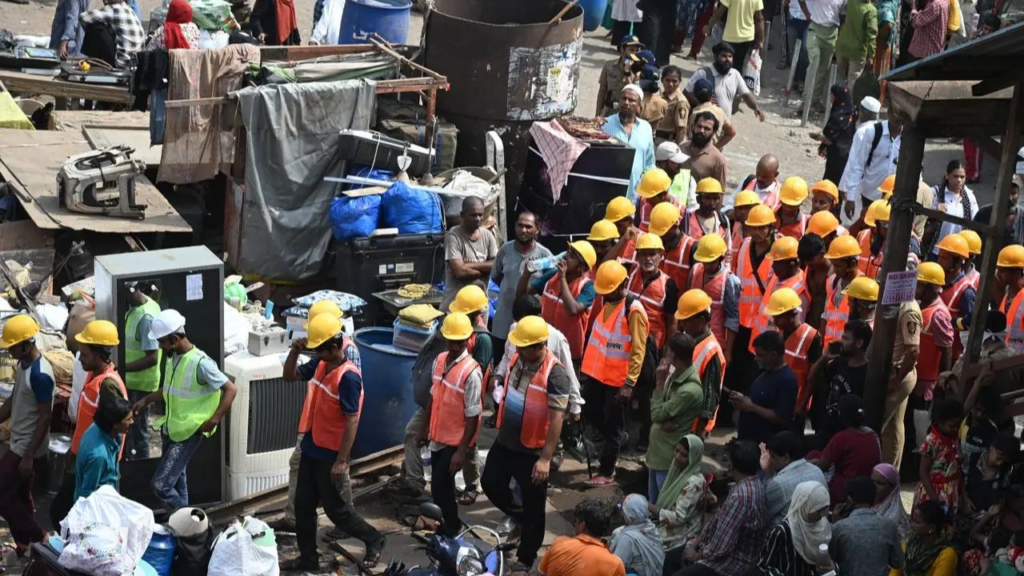
Several social activists and local leaders also raised concerns over the timing, arguing that large-scale evictions during sensitive periods can create unnecessary distress and social tension.
The festival angle added an emotional and political dimension to the controversy, leading to increased public attention and debate online.
As news of the eviction spread, political leaders from different parties began reacting strongly to the situation. Opposition leaders criticized the administration, accusing it of targeting poor families while failing to provide proper rehabilitation solutions.
Some politicians visited the affected area and interacted with residents, promising support and demanding immediate intervention from higher authorities.
Meanwhile, officials defending the drive insisted that the operation followed legal procedures and court-related directives. They argued that illegal encroachments on public land cannot be ignored indefinitely.
The political reactions intensified media coverage, turning the issue into a broader debate about urban housing, infrastructure development, and the rights of slum residents in Mumbai.
The incident once again highlighted Mumbai’s long-standing struggle with land scarcity and unauthorized settlements.
As one of the world’s most densely populated cities, Mumbai faces enormous pressure on housing and infrastructure. High real estate prices force many low-income families to settle in informal housing clusters near transport corridors, industrial zones, and unused government land.
Experts say the city’s housing crisis has created a complicated reality where illegal settlements coexist alongside luxury developments and critical infrastructure projects.
Railway land encroachments are particularly sensitive because authorities argue they directly affect commuter safety and operational efficiency.
At the same time, human rights groups point out that many residents living in such settlements are daily wage workers, laborers, domestic workers, and migrants who have few affordable housing alternatives.
The conflict between eviction drives and rehabilitation policies remains one of Mumbai’s biggest urban governance challenges.
One of the key demands raised during the protests was rehabilitation before demolition.
Affected families argued that removing people without proper alternative housing creates humanitarian crises and pushes vulnerable communities deeper into poverty.
Residents claimed many children living in the settlement attend nearby schools, while adults work in surrounding areas. Sudden displacement could disrupt livelihoods, education, and access to essential services.
Several community representatives appealed for negotiations and requested authorities to provide temporary shelter arrangements.
Housing rights activists also stressed the importance of balancing infrastructure needs with social welfare responsibilities.
The issue sparked fresh conversations about Mumbai’s rehabilitation policies and whether authorities should prioritize relocation before conducting large-scale demolition operations.
The dramatic visuals from the eviction site quickly spread across social media platforms, triggering heated discussions.
Many users expressed sympathy for the affected families, especially after videos showed people trying to rescue belongings from collapsing structures.
Others supported the authorities, arguing that illegal encroachments on public land cannot continue indefinitely and that infrastructure projects are necessary for the city’s development.
Popular hashtags related to Mumbai eviction, railway land, and Eid tensions started trending online.
Some users questioned why rehabilitation planning was not completed earlier, while others blamed decades of political neglect and unplanned urbanization.
The incident became a powerful example of how local civic actions can instantly turn into national conversations in the age of viral social media.
Railway officials maintained that the drive was carried out according to legal procedures and safety requirements.
Authorities stated that repeated notices had allegedly been issued before the demolition operation began. Officials also argued that encroachments near railway tracks create operational risks and may endanger lives.
According to officials, reclaiming the land is important for future railway infrastructure upgrades, maintenance access, and commuter safety.
Railway authorities emphasized that unauthorized settlements near tracks can obstruct emergency response systems and increase accident risks.
They also defended the need for strict action against illegal occupation of high-value public land.
The Mumbai eviction controversy reflects a broader national issue involving the balance between development and human welfare.
Cities across India frequently face conflicts between infrastructure expansion and the realities of urban poverty.
While governments focus on modernization, transportation upgrades, and land recovery, vulnerable communities often fear displacement and uncertainty.
Experts say sustainable urban planning requires long-term housing strategies that include affordable accommodation, rehabilitation programs, and social support systems.
Without adequate planning, eviction drives can trigger large-scale emotional, political, and humanitarian crises.
The Mumbai incident has once again brought these complex urban issues into the spotlight.
As protests intensified, police increased security deployment in the area to prevent violence and maintain law and order.
Barricades were erected while officials monitored crowd movement carefully. Authorities reportedly remained on alert to prevent escalation during and after the demolition drive.
Police personnel were also tasked with ensuring the safety of demolition teams and preventing obstruction of government work.
Residents, however, claimed the large security presence created fear and panic within the community.
The tense atmosphere continued for hours as negotiations and protests unfolded simultaneously.
Urban planners and housing experts believe incidents like this underline the urgent need for long-term housing reforms in Mumbai.
Experts argue that repeated cycles of encroachment and demolition will continue unless affordable housing becomes more accessible for low-income populations.
Several experts recommended:
- Faster rehabilitation projects
- Affordable rental housing
- Improved slum redevelopment policies
- Transparent land management
- Better coordination between civic agencies
Analysts say Mumbai’s population density and economic inequality make housing one of the city’s most sensitive and politically charged issues.
Public opinion on the issue remains sharply divided.
One section believes illegal occupation of public land must be removed for the city’s infrastructure and safety needs.
Another section argues that poor families should not suffer due to administrative failures and lack of affordable housing options.
The emotional visuals from the demolition site have intensified sympathy toward displaced residents, while infrastructure advocates continue emphasizing the importance of reclaiming railway property.
The debate reflects the larger social tensions present in rapidly growing metropolitan cities.
Read Also : 5 Big Mumbai Weather Updates: City Enjoys Good AQI Despite Rising Humidity Levels