

 Categories
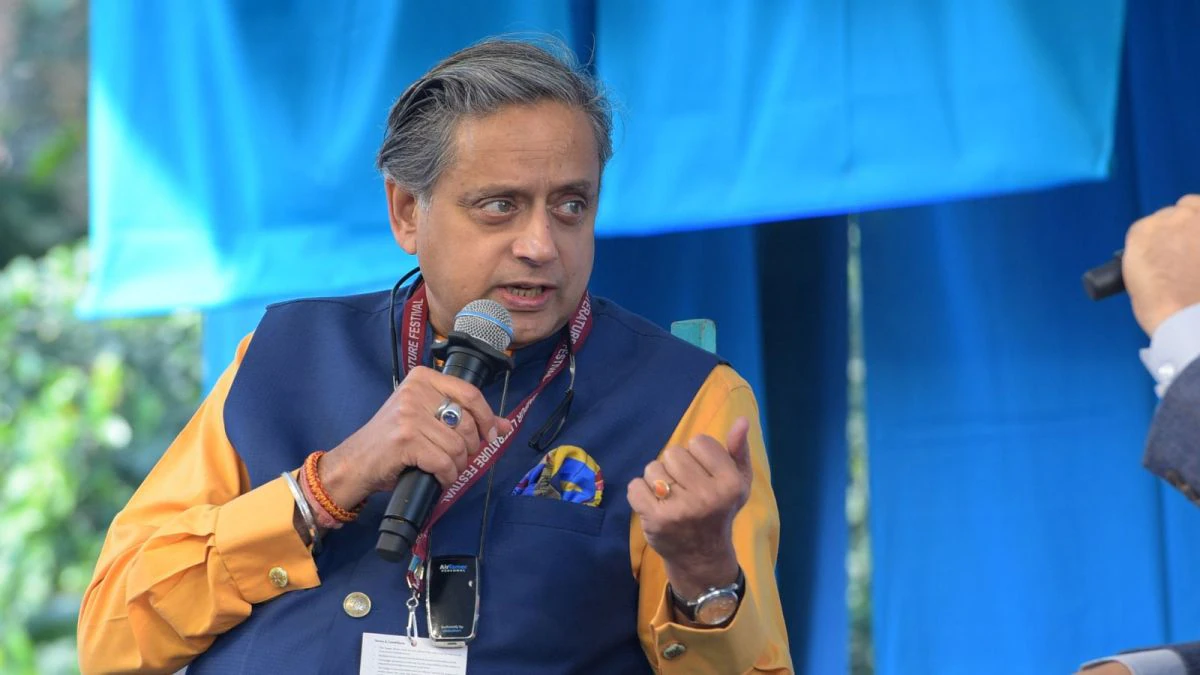
7 Explosive Claims by Shashi Tharoor: ‘Cockroach Janta Party’ Remark Signals Massive Public Frustration With Government
Shashi Tharoor says the “Cockroach Janta Party” phenomenon reflects rising public frustration with the government and signals a major political opportunity for the Opposition ahead of upcoming battles
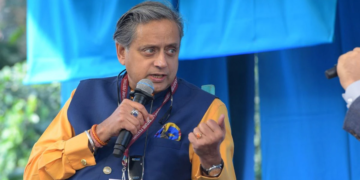
Senior Congress leader Shashi Tharoor has once again triggered intense political debate with his sharp remarks on what he described as the “Cockroach Janta Party” phenomenon. His statement, which quickly went viral across social media and political circles, suggested that growing public frustration with the government may be creating a major political opening for the Opposition.
Tharoor’s comments have reignited conversations about voter dissatisfaction, anti-incumbency sentiment, economic concerns, and the evolving political landscape ahead of crucial elections. Political analysts believe the statement reflects broader anxieties within both ruling and opposition camps regarding shifting public mood and the growing importance of narrative battles in Indian politics.
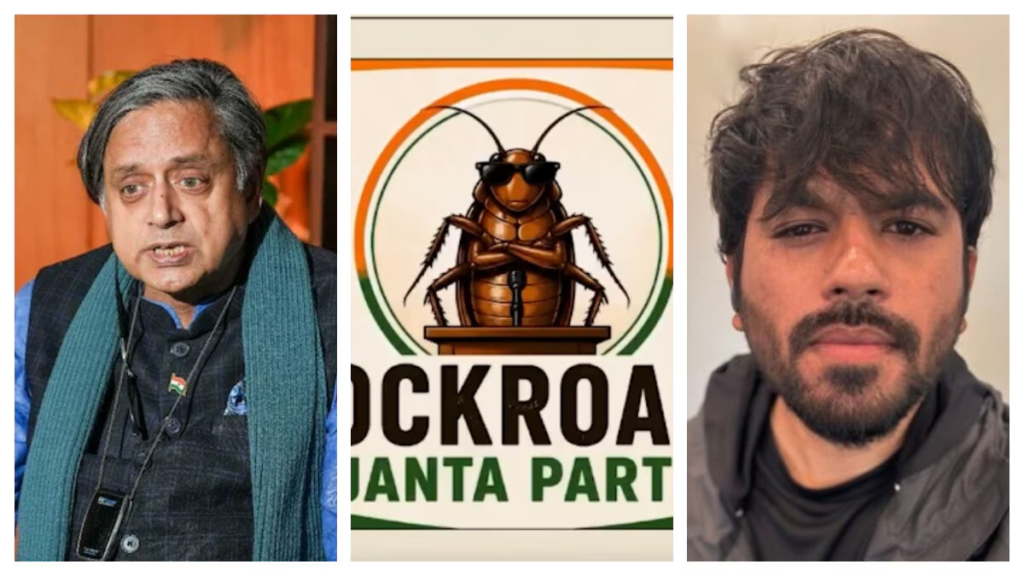
The controversial phrase instantly became a trending topic online, with supporters praising Tharoor’s political messaging skills while critics accused him of using provocative language for political attention.
During a political discussion and interaction with journalists, Tharoor reportedly remarked that the emergence of what he referred to as the “Cockroach Janta Party” reflects widespread frustration among sections of the public regarding governance and political performance.
According to Tharoor, the growing anger and dissatisfaction visible in public discourse indicate that the Opposition has an opportunity waiting to be seized if it can organize effectively and connect with voter concerns.
The Congress MP emphasized that public frustration alone is not enough to change political outcomes unless opposition parties successfully channel that sentiment into a coherent political alternative.
His remarks immediately sparked headlines and online debates, with many political observers interpreting the statement as a warning sign for the ruling establishment and a motivational message for Opposition parties.
One major reason the remark exploded online was the unusual and attention-grabbing phrase itself. Political communication in India increasingly revolves around memorable slogans, sharp attacks, and viral soundbites that dominate social media discussions.
The phrase “Cockroach Janta Party” quickly became meme material across platforms like X, Instagram, Facebook, and YouTube. Supporters and critics both amplified the statement, helping it trend nationwide within hours.
Political analysts noted that modern political discourse often rewards controversial and emotionally charged messaging because such statements generate visibility and media attention.
The phrase also triggered curiosity among the general public, leading many users to search for the full context of Tharoor’s comments.
Tharoor’s remarks tapped into a broader political narrative regarding public dissatisfaction over issues such as:
- Inflation
- Unemployment
- Rising living costs
- Urban infrastructure stress
- Farmer concerns
- Economic inequality
- Youth frustration
- Governance challenges
Opposition leaders across parties have repeatedly argued that sections of the population are increasingly frustrated with economic pressures and governance-related concerns.
Meanwhile, ruling party leaders maintain that India continues witnessing strong economic growth, infrastructure development, and global recognition under current leadership.
The clash between these competing narratives is expected to define upcoming political battles across the country.
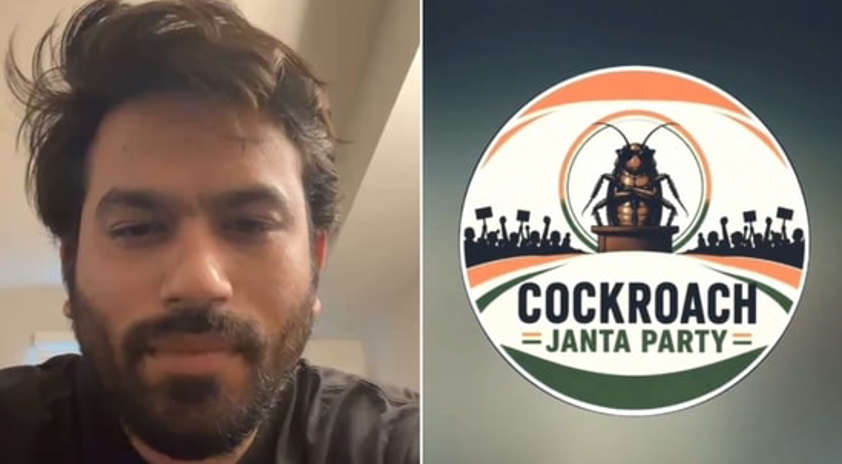
One of the most significant aspects of Tharoor’s statement was his suggestion that the Opposition has a political opportunity “waiting to be seized.”
Political experts say Opposition parties have been attempting to build stronger coordination and unified messaging against the ruling alliance.
However, analysts also point out that despite public grievances, Opposition unity and organizational strength remain inconsistent in several regions.
Tharoor’s comments appear aimed not only at criticizing the government but also at energizing Opposition workers and leadership ahead of future electoral contests.
Political observers believe the Congress leader was highlighting the importance of converting public dissatisfaction into electoral momentum.
As expected, the internet reacted strongly to the statement.
Supporters of Tharoor praised him for articulating what they believe is growing voter frustration. Many users described his comments as bold and reflective of ground realities.
Critics, however, accused him of using dramatic language and questioned whether the Opposition has presented a credible alternative to voters.
Several hashtags linked to the remark began trending online. Meme creators quickly turned the phrase into viral political content, with edited videos, parody posters, and satirical graphics flooding social media timelines.
The incident once again demonstrated how quickly political commentary can dominate India’s digital ecosystem.
Shashi Tharoor is widely known for his articulate speeches, intellectual style, and ability to craft impactful political commentary.
Over the years, the Congress MP has frequently made headlines for:
- Sharp parliamentary speeches
- Viral debates
- Literary references
- Social media engagement
- Strong criticism of political opponents
His communication style often attracts both admiration and controversy.
Political experts say Tharoor’s remarks frequently resonate with urban audiences and digital users because of his distinctive language and media presence.
The latest controversy further reinforced his reputation as one of India’s most high-profile Opposition voices.
The reaction to the statement also reflected India’s deeply polarized political environment.
Supporters of the ruling alliance dismissed the comments as political theatrics, arguing that electoral results continue to favor the government in several states and national contests.
They accused Opposition leaders of exaggerating dissatisfaction while ignoring developmental achievements and welfare initiatives.
Opposition supporters, meanwhile, claimed the statement captured genuine frustration among sections of the electorate.
This divide highlights the increasingly intense nature of political debates in India, where every major statement quickly becomes part of larger ideological battles online and offline.

Political strategists believe public mood plays a crucial role in determining election outcomes, especially in highly competitive states.
Factors influencing voter sentiment often include:
- Economic conditions
- Job opportunities
- Inflation trends
- Leadership perception
- Welfare delivery
- Local governance
- Social issues
Opposition leaders are attempting to frame upcoming elections around economic distress and governance challenges.
The ruling alliance, on the other hand, continues emphasizing national security, infrastructure development, welfare schemes, and India’s rising global stature.
The battle over narrative and voter perception is expected to intensify significantly in the coming months.
A key question emerging after Tharoor’s remarks is whether the Opposition can successfully capitalize on public frustration.
Political analysts say dissatisfaction alone does not automatically translate into electoral success for Opposition parties.
Several factors remain critical:
- Strong leadership
- Organizational unity
- Candidate selection
- Grassroots mobilization
- Clear messaging
- Regional alliances
Experts believe Opposition parties must offer not just criticism but also a convincing governance alternative.
Internal divisions and leadership rivalries have historically weakened anti-incumbency momentum in Indian politics.
Tharoor’s statement appears to acknowledge that opportunity exists — but only if the Opposition can organize strategically.
Television channels, digital platforms, and newspapers quickly picked up the story after the remark went viral.
Prime-time debates focused on:
- Public dissatisfaction
- Opposition unity
- Political language
- Anti-incumbency trends
- Social media politics
Some commentators praised Tharoor for voicing public concerns directly, while others criticized the use of provocative terminology in political discourse.
The controversy once again showed how modern political communication increasingly depends on viral moments and headline-driven narratives.
India’s political environment remains highly dynamic as parties prepare for future electoral contests.

Both ruling and opposition camps are aggressively shaping narratives around:
- Economic growth
- Governance performance
- Corruption allegations
- Welfare schemes
- Youth employment
- National identity
- Development projects
Public sentiment can shift rapidly depending on local issues, economic developments, and political campaigns.
Analysts say even seemingly small viral moments can influence broader political discussions and media cycles.
This is why statements like Tharoor’s attract enormous attention despite being only a few lines long.
The “Cockroach Janta Party” controversy also demonstrates the importance of branding and messaging in politics.
Modern political communication is no longer limited to speeches and rallies. Viral clips, memes, hashtags, and online reactions now shape public discourse significantly.
Political leaders increasingly rely on emotionally resonant language to capture media attention and energize supporters.
However, controversial language can also backfire by alienating moderate voters or shifting focus away from substantive policy discussions.
The balance between sharp criticism and constructive messaging remains one of the biggest challenges for political communicators.
Tharoor’s remarks may particularly resonate among urban middle-class audiences dealing with rising living costs and economic uncertainty.
Urban voters often play a critical role in shaping media narratives and digital political trends.
However, political analysts note that urban frustration does not always translate into voting shifts unless opposition parties build strong grassroots networks and credible local leadership.
The Congress and other Opposition parties continue working to strengthen their urban outreach ahead of major elections.