Categories
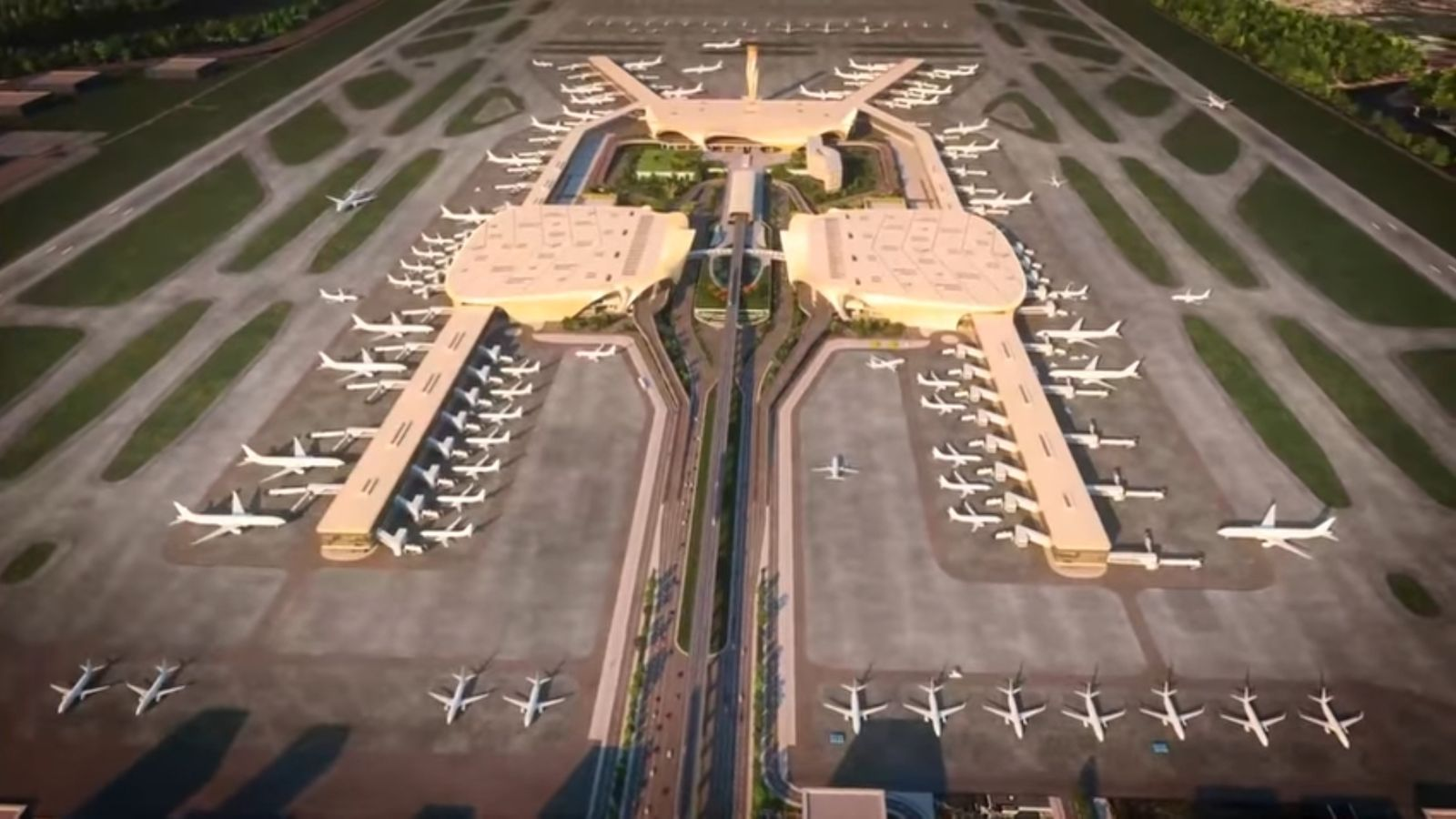
Navigate the new Navi Mumbai International Airport like a pro. Mid-day provides essential maps, terminal guides, and travel tips for a seamless passenger experience.
Navi Mumbai | December 24, 2025
After years of anticipation, the Navi Mumbai International Airport (NMIA) is finally ready to welcome passengers, with commercial operations scheduled to begin on December 25, 2025. Designed to ease the load on Mumbai’s overburdened Chhatrapati Shivaji Maharaj International Airport, NMIA represents one of the most significant infrastructure upgrades in the Mumbai Metropolitan Region.
As the city prepares for this long-awaited opening, mid-day brings you a detailed guide to help passengers find their way around the new airport — from how to reach it, what to expect inside the terminal, and how travel patterns are set to change in the months ahead.
A New Chapter in Mumbai’s Aviation Story
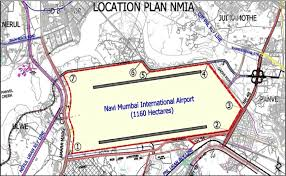
The Navi Mumbai International Airport has been conceived as a modern, digitally enabled aviation hub capable of handling millions of passengers annually in its first phase. Strategically located in Ulwe, Navi Mumbai, the airport is expected to transform air travel for residents of Mumbai, Thane, Raigad, and the Konkan region.
Built with a focus on sustainability, efficiency, and passenger comfort, NMIA is expected to work alongside the existing Mumbai airport in a dual-airport system, reducing congestion and improving overall travel experience.
The first phase of operations includes a single runway and a state-of-the-art passenger terminal, with expansion plans already in place for additional runways and terminals in the coming years.
Reaching Navi Mumbai International Airport
Road Connectivity
For most travellers, road transport will be the primary means of reaching NMIA in its initial days of operation.
Mumbai Trans Harbour Link (Atal Setu)
The Atal Setu, Mumbai’s landmark sea bridge, offers one of the fastest routes to NMIA, particularly for passengers travelling from South Mumbai and central parts of the city.
- Distance from Atal Setu exit to NMIA: approximately 13 km
- Travel time during low traffic: around 15 to 20 minutes
- Toll charges apply
This route significantly reduces travel time compared to older road networks and is expected to be a preferred option for airport-bound traffic.
Vashi Bridge Route
Another commonly used access point is via the Vashi Bridge, connecting Mumbai’s eastern suburbs to Navi Mumbai.
- Distance from Vashi Bridge to NMIA: approximately 16 km
- Average travel time: 20 to 30 minutes during non-peak hours
While familiar to daily commuters, this route may experience congestion during peak travel hours, especially as airport traffic increases.
Authorities have advised motorists to exercise caution on some approach roads, as street lighting and final road markings are still being completed in certain stretches.
Rail Connectivity: What Passengers Should Know
At present, rail connectivity to NMIA is functional but limited.
Targhar Railway Station
Targhar is the closest suburban railway station to the airport.
- Located about 10 to 15 minutes away by road
- Connected to Nerul and Belapur routes
However, train frequency is currently low, with only a limited number of services running daily. Additionally, some scheduling details are not yet integrated into popular commuter apps, which may make planning challenging for first-time users.
Officials have indicated that train services will be increased gradually as passenger demand rises after the airport becomes operational.
Last-Mile Transport Options
Taxis and Auto Rickshaws
Designated taxi and auto rickshaw zones have been marked along the airport approach roads and near terminal exits. While signage has been installed, some drivers are still getting accustomed to the new layout.
Passengers are advised to allow extra travel time during the initial days and confirm routes in advance with drivers.
Bus Services
The Navi Mumbai Municipal Transport (NMMT) is preparing to deploy electric bus services connecting NMIA with key residential and transit hubs in Navi Mumbai and surrounding areas.
- Initial deployment: approximately 50 electric buses
- Frequency and routes expected to expand based on demand
These services are part of a broader plan to promote public transport use and reduce private vehicle congestion around the airport.
Inside the Terminal: What Awaits Passengers
NMIA’s terminal has been designed to offer a smooth, intuitive passenger experience.
Key Features
- Spacious check-in halls with digital kiosks
- Self-baggage drop facilities
- Multiple aerobridges connecting aircraft to gates
- Clear, multilingual signage guiding passengers through security, immigration, and boarding
- Dedicated lounges and waiting areas
The terminal layout emphasises natural light, open spaces, and efficient passenger flow, helping reduce crowding during peak hours.
Passenger Support and Services
Information desks are positioned at strategic locations across the terminal to assist travellers with directions, flight information, and general queries.
Other facilities include:
- Retail and duty-free outlets
- Food and beverage options
- Medical assistance points
- Special assistance services for senior citizens and passengers with reduced mobility
While some retail outlets and lounges will open in phases, core passenger services will be available from Day One.
Navigation Tips for First-Time Visitors
To ensure a smooth experience at NMIA, passengers are advised to keep the following in mind:
- Plan your route in advance, factoring in traffic and limited public transport options
- Arrive earlier than usual during the first week of operations
- Keep digital and printed copies of travel documents handy
- Follow airport signage and approach information desks if unsure
Early arrivals will help offset any minor delays as systems and staff settle into full-scale operations.
What Lies Ahead
The opening of NMIA marks only the beginning of a much larger transformation.
Future plans include:
- Metro rail connectivity linking the airport with Mumbai and Navi Mumbai
- Enhanced suburban rail services
- Water transport links
- Expansion of terminal capacity and runways
Once fully developed, NMIA is expected to handle tens of millions of passengers annually and emerge as one of India’s leading international gateways.
Public Response and Local Reactions
Residents and frequent flyers have welcomed the airport’s opening, viewing it as long-overdue relief for Mumbai’s aviation infrastructure.
While there are concerns about initial connectivity gaps, most agree that these are transitional challenges that will ease as services expand and passenger volumes stabilise.
Conclusion
Navi Mumbai International Airport represents a major leap forward in India’s aviation and infrastructure journey. With modern facilities, expanding connectivity, and a strategic location, NMIA is set to redefine air travel for the Mumbai Metropolitan Region.
As commercial flights begin on December 25, 2025, this guide from mid-day aims to help passengers navigate the new airport confidently, ensuring that their first experience is smooth, informed, and stress-free.
Also Read : BlueBird Block-2 mission: ISRO successfully launches LVM3-M6 rocket